Easy Cheesy Pasta Bake: The Weeknight Dinner That Everyone Asks For Seconds

Why Easy Cheesy Pasta Bake Is the Ultimate Family Dinner
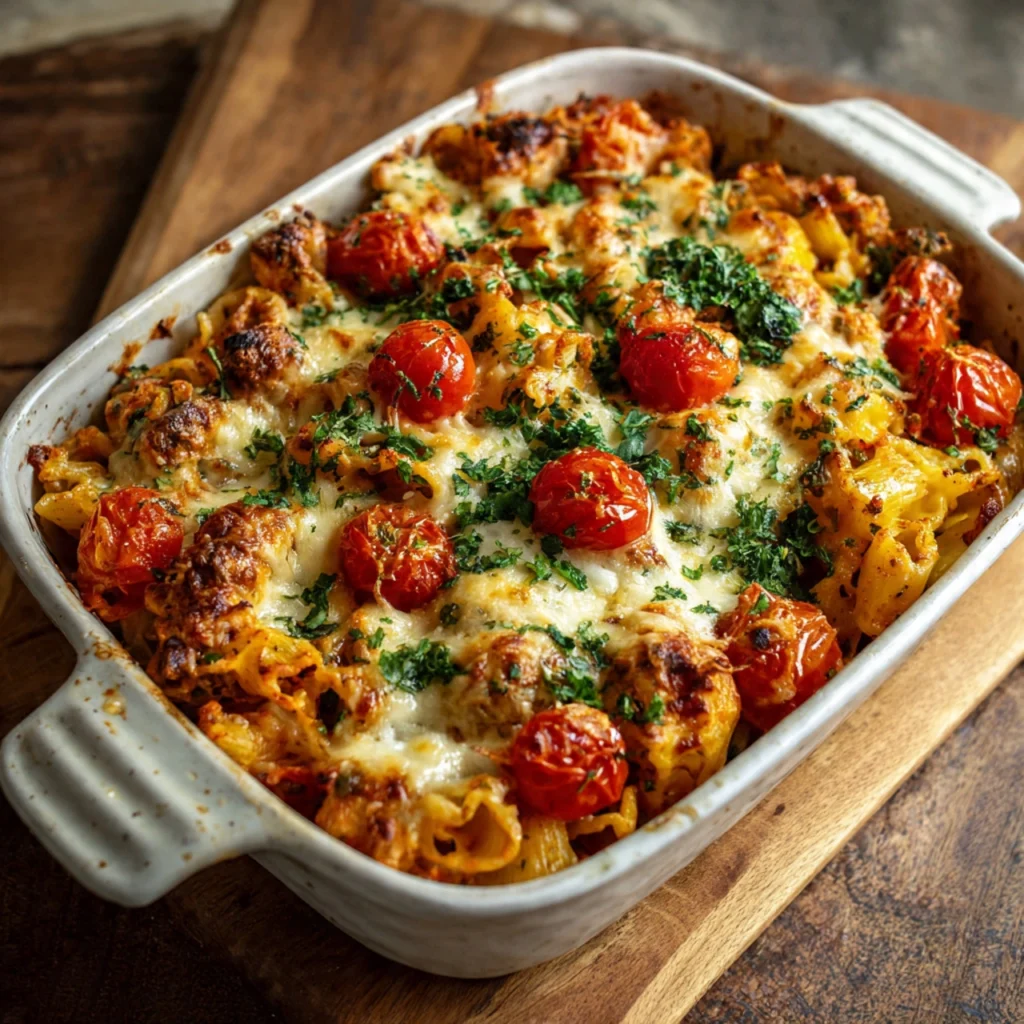
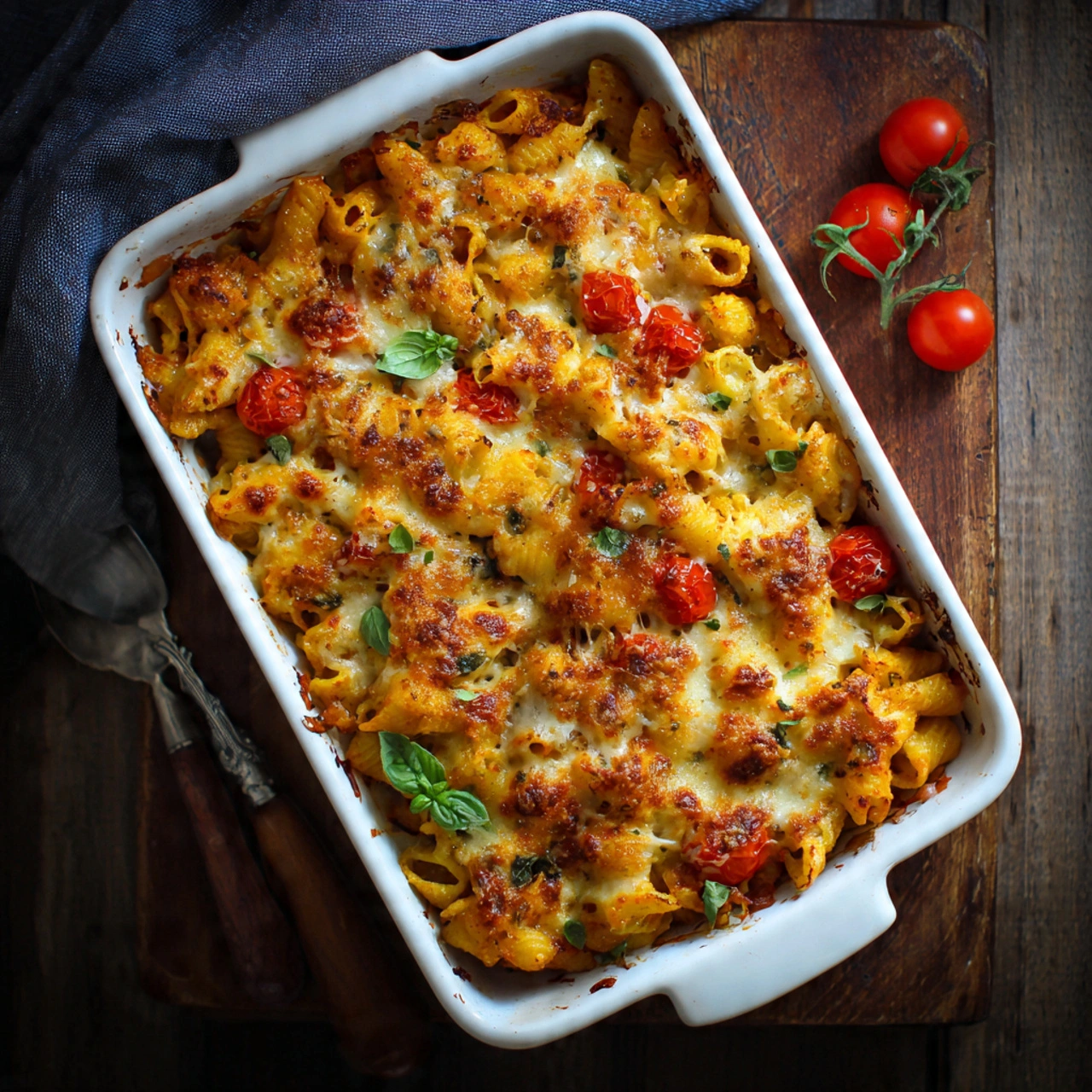
Easy Cheesy Pasta Bake is the kind of recipe that earns a permanent spot in your weekly dinner rotation within the first time you make it. It is warm, deeply satisfying, endlessly adaptable, and — most importantly — it is the dish that makes people lean over the pan with a serving spoon before you have even set the table properly. There is a particular kind of magic in a pasta bake: the way the cheese forms that golden, slightly crisped top layer while the pasta underneath stays creamy and saucy, the way the whole thing bubbles at the edges and fills your kitchen with a smell that makes everyone wander in from other rooms asking what is for dinner.
I have been making versions of this dish for as long as I have been cooking for other people. It started as a solution to busy weeknights — something that could be assembled quickly, slid into the oven, and forgotten about for thirty minutes while other things got done. What it became was something much more than a convenience meal. It became the recipe people ask me for, the one my kids request on their birthdays, the one I bring to friends when they need feeding and comfort simultaneously.
This guide is the complete version — every detail you need to make the best easy cheesy pasta bake of your life. The ingredients, the technique, the pro tips that separate a great pasta bake from an average one, the mistakes that are completely avoidable, and the answers to every question people ask me about this dish. By the time you finish reading this, you will have everything you need to walk into your kitchen tonight and make something genuinely excellent.
What Makes This Easy Cheesy Pasta Bake Different
There are hundreds of pasta bake recipes in the world. Most of them fall into one of two disappointing categories: either the sauce is thin and watery and the pasta sits in a pool of liquid by the time it reaches the table, or the whole thing is dry and stodgy with a paste-like texture that makes you reach for a glass of water between every bite.
This recipe fixes both problems by building the sauce properly from scratch — a simple béchamel-style base enriched with cream cheese for extra body and tanginess, combined with a good quality tomato base and finished with a triple cheese blend that gives you flavor, melt, and that essential golden crust. The pasta is cooked just under al dente before baking so it finishes cooking in the sauce and absorbs all of those flavors rather than sitting separately from them. The result is a pasta bake where every forkful is creamy, cheesy, saucy, and cohesive — the kind of bake that holds together on the serving spoon and delivers on every single bite.
Ingredients
For the Pasta Base
- 400g (14 oz) dried pasta — penne, rigatoni, or fusilli work best
- 1 tablespoon fine sea salt (for the pasta water)
- 1 tablespoon olive oil
For the Meat Sauce (Optional — see vegetarian note below)
- 500g (1 lb) ground beef or Italian sausage, casings removed
- 1 medium yellow onion, finely diced
- 4 garlic cloves, minced
- 1 teaspoon dried oregano
- 1 teaspoon dried basil
- ½ teaspoon smoked paprika
- ½ teaspoon crushed red pepper flakes (optional)
- 400g (14 oz) can crushed tomatoes
- 2 tablespoons tomato paste
- 1 teaspoon granulated sugar (balances the tomato acidity)
- Salt and black pepper to taste
For the Creamy Cheese Sauce
- 3 tablespoons unsalted butter
- 3 tablespoons all-purpose flour
- 2 cups (480ml) whole milk, warmed
- 120g (4 oz) full-fat cream cheese, softened and cubed
- ½ teaspoon garlic powder
- ½ teaspoon onion powder
- ¼ teaspoon ground nutmeg
- Salt and white pepper to taste
For the Cheese Topping
- 150g (1½ cups) shredded mozzarella cheese
- 100g (1 cup) shredded sharp cheddar cheese
- 50g (½ cup) freshly grated Parmesan cheese
- 1 tablespoon olive oil (drizzled over top before baking)
Optional Garnish
- Fresh basil leaves or flat-leaf parsley, roughly torn
- Extra Parmesan for serving
- Crushed red pepper flakes

Step-by-Step Instructions
Step 1: Preheat and Prepare
Preheat your oven to 200°C (390°F) with the rack positioned in the upper-middle position. Lightly grease a deep 9×13-inch baking dish with butter or olive oil and set it aside. Having everything ready before you start cooking makes the assembly smooth and stress-free.

Step 2: Cook the Pasta
Bring a large pot of water to a rolling boil. Add the tablespoon of salt — this is the only opportunity you have to season the pasta itself, so do not skip it. Add the pasta and cook for 2 minutes less than the package directions specify. You want it genuinely underdone — it will finish cooking in the oven and absorb the sauce as it does. Drain the pasta and toss it immediately with the tablespoon of olive oil to prevent sticking. Set aside.

Step 3: Brown the Meat and Build the Sauce
Heat a large oven-safe skillet or wide saucepan over medium-high heat. Add a drizzle of olive oil and the diced onion. Cook for 3–4 minutes until softened and just beginning to turn golden at the edges. Add the minced garlic and cook for another 60 seconds until fragrant — watch it carefully as garlic burns quickly and burnt garlic will make the entire dish bitter.
Add the ground beef or sausage, breaking it apart with a wooden spoon or spatula. Cook over medium-high heat, stirring occasionally, until fully browned with no pink remaining — about 7–8 minutes. Drain any excess fat if necessary, leaving about a tablespoon in the pan for flavor.
Add the oregano, basil, smoked paprika, and red pepper flakes. Stir and cook for 60 seconds to bloom the spices in the heat — this step takes one minute and makes a noticeable difference in the depth of flavor. Add the tomato paste and stir it into the meat, cooking for another 2 minutes until it darkens slightly and loses its raw smell. Pour in the crushed tomatoes, add the sugar, season with salt and pepper, and stir everything together. Reduce the heat to medium-low and let it simmer for 10 minutes, stirring occasionally, until the sauce has thickened slightly and the flavors have come together.

Step 4: Make the Creamy Cheese Sauce
In a separate medium saucepan over medium heat, melt the butter. Add the flour all at once and whisk constantly for 90 seconds — you are cooking out the raw flour taste and building the roux that will thicken your sauce. The mixture should look pale golden and smell faintly nutty.
Begin adding the warmed milk gradually, about ¼ cup at a time, whisking constantly after each addition and making sure the mixture is completely smooth before adding more. This gradual addition is what prevents lumps. Once all the milk is incorporated, continue whisking over medium heat for 3–4 minutes until the sauce thickens enough to coat the back of a spoon and leaves a clean line when you drag your finger across it.
Remove from heat and add the softened cream cheese cubes. Whisk until completely melted and smooth. Add the garlic powder, onion powder, nutmeg, salt, and white pepper. Taste and adjust seasoning. The sauce should be creamy, slightly tangy from the cream cheese, and well-seasoned on its own.

Step 5: Combine Everything
Add the drained pasta to the meat sauce and stir to coat every piece evenly. Pour the creamy cheese sauce over the pasta and meat mixture and fold everything together gently until the pasta is evenly coated with both sauces and the mixture looks cohesive and creamy. Transfer the entire mixture into your prepared baking dish and spread it evenly to the edges.
Step 6: Add the Cheese Topping and Bake
In a small bowl, combine the shredded mozzarella, cheddar, and half of the Parmesan. Scatter this mixture evenly and generously across the top of the pasta. Sprinkle the remaining Parmesan over everything and finish with a light drizzle of olive oil — this encourages an even, golden, slightly crisped cheese top rather than a rubbery one.
Bake in the preheated oven for 25–30 minutes until the cheese on top is fully melted, golden brown in patches, and the edges of the bake are visibly bubbling. For extra browning and a crispier cheese crust, switch the oven to broil for the final 2–3 minutes and watch it carefully — it can go from golden to burnt very quickly under a broiler.
Step 7: Rest and Serve
Remove the baking dish from the oven and let it rest for 5–10 minutes before serving. This resting time allows the sauce to settle and thicken slightly so the bake holds together when served rather than sliding apart on the plate. Scatter torn fresh basil or parsley over the top, add a final grating of Parmesan if desired, and bring it straight to the table.

Pro Tips for the Perfect Easy Cheesy Pasta Bake
Always Undercook the Pasta Before Baking
This is the most important technical tip in the entire recipe. Pasta that is cooked to al dente before it goes into the oven will emerge overcooked and mushy after 25–30 minutes of baking. Pull it out 2 full minutes before the package time suggests — it should still have a noticeable bite in the center. It will finish cooking in the oven while absorbing the sauce, which is exactly what you want.
Warm Your Milk for the Béchamel
Adding cold milk to a hot roux causes the temperature to drop suddenly and dramatically increases the chance of lumps forming. Warm your milk in a small saucepan or microwave it for 60–90 seconds before adding it to the roux. The sauce will come together faster, smoother, and with zero frustration.
Use Block Cheese and Grate It Yourself
Pre-shredded cheese from a bag is coated in anti-caking agents — usually potato starch or cellulose — that prevent it from melting cleanly. It can make your sauce grainy and your topping slightly waxy. Buy a block of cheddar and mozzarella and grate them yourself. The difference in melt quality and flavor is immediately noticeable and worth the extra two minutes of effort.
Season Every Layer
A pasta bake has multiple components — the pasta water, the meat sauce, the cheese sauce, and the topping. Season each one independently as you build. A dish that is only seasoned at the end will taste flat and one-dimensional regardless of how good the individual components are.
The Cream Cheese is Non-Negotiable
It might seem like an unusual addition to a pasta bake cheese sauce, but the cream cheese does two critical things: it adds body and richness that prevents the sauce from breaking during baking, and it contributes a subtle tanginess that keeps the overall dish from tasting heavy or one-note. Do not substitute or skip it.
Rest Before Serving
Five to ten minutes of resting time after the bake comes out of the oven makes a significant difference in how it serves. The sauce, which is still bubbling when it comes out, settles and thickens as it cools slightly. Serve it straight from the oven and it will pool on the plate. Rest it briefly and it will hold together beautifully.
Common Mistakes to Avoid
Cooking the pasta fully before baking. As discussed above, this is the single most common reason pasta bakes turn out mushy. The pasta continues cooking in the oven. Pull it out early.
Making the sauce too thin. A thin sauce might look right in the pan, but it will become even more liquid as the pasta releases starch during baking. Your cheese sauce should be thick enough to coat the back of a spoon before you combine it with the pasta. If it seems thin, cook it for an extra 2–3 minutes while whisking.
Not seasoning the pasta water. Unseasoned pasta tastes bland no matter what sauce surrounds it. The water should taste pleasantly salty — not like seawater, but noticeably seasoned.
Using low-fat dairy. Low-fat milk, reduced-fat cream cheese, and part-skim mozzarella all contain higher water content than their full-fat counterparts. That extra water releases during baking and can make your pasta bake watery and separated. Use full-fat dairy throughout for the best results.
Covering the dish while baking. Some recipes instruct you to cover the baking dish with foil for part of the cooking time. For this recipe, leave it uncovered from start to finish — you want the top to brown and crisp, and covering it creates steam that makes the cheese top soft and rubbery rather than golden.
Skipping the rest. Serving immediately from the oven is tempting but counterproductive. Five minutes of patience transforms a loose, saucy bake into a properly set, cohesive dish that serves cleanly and looks as good on the plate as it tastes.
Under-seasoning the meat sauce. Taste the meat sauce before combining it with everything else. It should be well-seasoned and flavorful on its own — it is carrying the backbone of the entire dish’s savory flavor and it needs to be strong enough to shine through the cheese and cream sauce.
Storage and Serving Suggestions
How to Store Easy Cheesy Pasta Bake
This pasta bake is one of the best dishes in the make-ahead and leftover category. Once cooled to room temperature, cover the baking dish tightly with plastic wrap or foil and refrigerate for up to 4 days. The flavors deepen and integrate overnight, and many people — myself included — genuinely prefer it reheated the next day.
To reheat individual portions, transfer to a microwave-safe plate, add a small splash of water or milk to restore moisture, cover loosely, and microwave on medium power for 2–3 minutes, stirring halfway through. For reheating the whole dish, cover with foil and bake at 180°C (350°F) for 20–25 minutes until heated through, then remove the foil for the final 5 minutes to re-crisp the cheese top.
For freezing, allow the baked pasta to cool completely and portion it into individual freezer-safe containers. Freeze for up to 3 months. Thaw overnight in the refrigerator before reheating. You can also freeze the assembled unbaked dish — wrap tightly and freeze for up to 2 months. Bake from frozen at 180°C (350°F) covered with foil for 45 minutes, then uncover and increase to 200°C (390°F) for a final 15 minutes.
Serving Suggestions
Easy cheesy pasta bake is a complete meal on its own, but it pairs beautifully with simple accompaniments that cut through the richness. A crisp green salad dressed with a sharp lemon vinaigrette is the classic partner — the acidity and freshness balance the creamy, heavy bake perfectly. Garlic bread or a crusty baguette alongside for sauce-scooping is essentially mandatory in our house. Roasted broccoli, steamed green beans, or a simple cucumber and tomato salad all work beautifully as sides that add color and freshness to the plate without competing with the main event.
For a dinner party, serve the bake directly from the dish at the table — there is something genuinely inviting and generous about a bubbling, golden-topped pasta bake brought to the table whole. It photographs beautifully, serves easily, and feeds a crowd without stress.
Frequently Asked Questions
Q1: Can I make easy cheesy pasta bake ahead of time? Absolutely — this is one of its greatest strengths as a recipe. You can assemble the entire dish up to 24 hours in advance, cover it tightly, and refrigerate it unbaked. When ready to cook, remove it from the refrigerator 30 minutes before baking to take the chill off, then bake as directed adding 5–10 extra minutes since it is starting cold. The assembled unbaked dish can also be frozen for up to 2 months.
Q2: Can I make this pasta bake vegetarian? Yes, very easily. Simply omit the ground meat entirely and replace it with a combination of vegetables — diced zucchini, bell peppers, mushrooms, and spinach all work beautifully. Sauté the vegetables in the same way you would cook the meat, seasoning them well, before combining with the tomato base. Alternatively, canned lentils or white beans make a protein-rich vegetarian filling that holds up beautifully during baking.
Q3: What pasta shapes work best for a pasta bake? Short, sturdy pasta shapes with ridges or tubes work best because they trap sauce inside and hold together during baking. Penne, rigatoni, and fusilli are the top three choices. Avoid long pasta like spaghetti or linguine — they tangle and clump during baking and are very difficult to serve cleanly. Avoid delicate shapes like angel hair or orzo which can become mushy.
Q4: Why is my pasta bake dry? Dryness in a pasta bake almost always comes from one of three causes: the sauce was too thin going in and the pasta absorbed it all during baking, the pasta was overcooked before baking and could not absorb more moisture properly, or the dish was baked uncovered at too high a temperature for too long. The fix is to ensure your sauce is thick and generously applied before baking, your pasta is well underdone, and your oven temperature is accurate.
Q5: Can I use a different protein? Absolutely. This recipe works wonderfully with ground turkey or chicken as a leaner alternative to beef. Diced cooked chicken thighs, Italian sausage, crispy bacon or pancetta lardons, or even cooked and flaked salmon all make excellent variations. For a luxurious version, add cooked lobster or crab meat to the cheese sauce just before combining — it transforms the dish entirely.
Q6: Can I add vegetables directly into the bake? Yes, and it is highly encouraged. Spinach can be stirred directly into the hot meat sauce just before combining — it wilts instantly and disappears into the dish while adding nutrition and color. Roasted cherry tomatoes, sautéed mushrooms, diced roasted red peppers, or blanched broccoli florets all integrate beautifully. Add them at the combining stage so they are evenly distributed throughout the bake.
Q7: How do I get a better cheese crust on top? Three things contribute to an excellent cheese crust: using freshly grated cheese rather than pre-shredded, finishing with a drizzle of olive oil over the cheese before baking to encourage even browning, and using the broiler for the final 2–3 minutes of cooking time. Watch it continuously under the broiler — the difference between perfectly golden and unfortunately burnt is about ninety seconds.
Nutrition Information (Approximate Per Serving)
Based on 8 servings per 9×13-inch dish, using the full recipe with ground beef.
| Nutrient | Amount Per Serving |
|---|---|
| Calories | ~520 kcal |
| Total Fat | 24g |
| Saturated Fat | 13g |
| Cholesterol | 85mg |
| Sodium | 680mg |
| Total Carbohydrates | 48g |
| Dietary Fiber | 3g |
| Total Sugars | 7g |
| Added Sugars | 1g |
| Protein | 28g |
| Calcium | 28% DV |
| Iron | 18% DV |
| Vitamin A | 15% DV |
Note: Values are approximate and will vary based on specific pasta shape, cheese brands, meat fat content, and exact portion size. Calculated without optional garnishes or bread accompaniments.
Conclusion
Some recipes earn their place in your life through complexity and technique and the satisfaction of having pulled off something difficult. Easy Cheesy Pasta Bake earns its place in a completely different and arguably more important way — through reliability, comfort, and the simple fact that it makes the people sitting at your table genuinely happy every single time.
This is the recipe you reach for when you want to feed people well without drama. When you need something that works for a Tuesday evening and a Saturday dinner party equally. When you want a dish that children eat without negotiation and adults come back for seconds of without embarrassment. When you need to know, before you even start cooking, that what comes out of the oven is going to be good.
Follow the tips, season every layer, undercook your pasta, use full-fat dairy, rest it before you serve it, and make it your own over time with whatever additions and variations suit your household. This recipe is not precious — it welcomes adaptation and personalization. The bones of it are solid enough to support almost anything you want to add to them.
Make it tonight. Then make it again next week. By the third time, you will have adjusted it slightly in some way that makes it specifically yours, and that is when a recipe stops being something you found and starts being something you own.

Easy Cheesy Pasta Bake
Ingredients
Equipment
Method
- Preheat your oven to 200°C (390°F) with the rack in the upper-middle position. Lightly grease a deep 9×13-inch baking dish with butter or olive oil and set aside.
- Bring a large pot of water to a rolling boil. Add the tablespoon of salt. Add the pasta and cook for 2 minutes less than the package directions. Drain and immediately toss with the tablespoon of olive oil to prevent sticking. Set aside.
- Heat a large skillet over medium-high heat with a drizzle of olive oil. Add the diced onion and cook for 3–4 minutes until softened. Add the minced garlic and cook for 60 seconds until fragrant. Add the ground beef or sausage and cook, breaking apart, for 7–8 minutes until fully browned. Drain excess fat leaving about a tablespoon in the pan.
- Add the oregano, basil, smoked paprika, and red pepper flakes to the meat. Stir and cook for 60 seconds to bloom the spices. Add the tomato paste and cook for 2 minutes until darkened. Pour in the crushed tomatoes, add the sugar, season with salt and pepper, and stir. Reduce heat to medium-low and simmer for 10 minutes until thickened.
- In a separate medium saucepan over medium heat, melt the butter. Add the flour all at once and whisk constantly for 90 seconds until the roux is pale golden and smells faintly nutty. Add the warmed milk gradually about ¼ cup at a time, whisking constantly after each addition until smooth. Continue whisking over medium heat for 3–4 minutes until the sauce thickens enough to coat the back of a spoon.
- Remove the saucepan from heat. Add the softened cream cheese cubes and whisk until completely melted and smooth. Add the garlic powder, onion powder, nutmeg, salt, and white pepper. Taste and adjust seasoning.
- Add the drained pasta to the meat sauce and stir to coat evenly. Pour the creamy cheese sauce over the pasta and meat mixture and fold gently until everything is evenly combined and coated. Transfer the mixture into the prepared baking dish and spread evenly to the edges.
- Combine the shredded mozzarella, cheddar, and half the Parmesan in a small bowl. Scatter evenly over the top of the pasta. Sprinkle the remaining Parmesan over everything and finish with a light drizzle of olive oil.
- Bake uncovered in the preheated oven for 25–30 minutes until the cheese is fully melted, golden brown in patches, and the edges are visibly bubbling. For extra browning, switch to broil for the final 2–3 minutes and watch carefully.
- Remove from the oven and rest for 5–10 minutes before serving. Scatter torn fresh basil or parsley over the top, add a final grating of Parmesan if desired, and bring straight to the table.