
12 Secrets to Perfect Homemade Cinnamon Rolls (Soft, Fluffy & Irresistible)
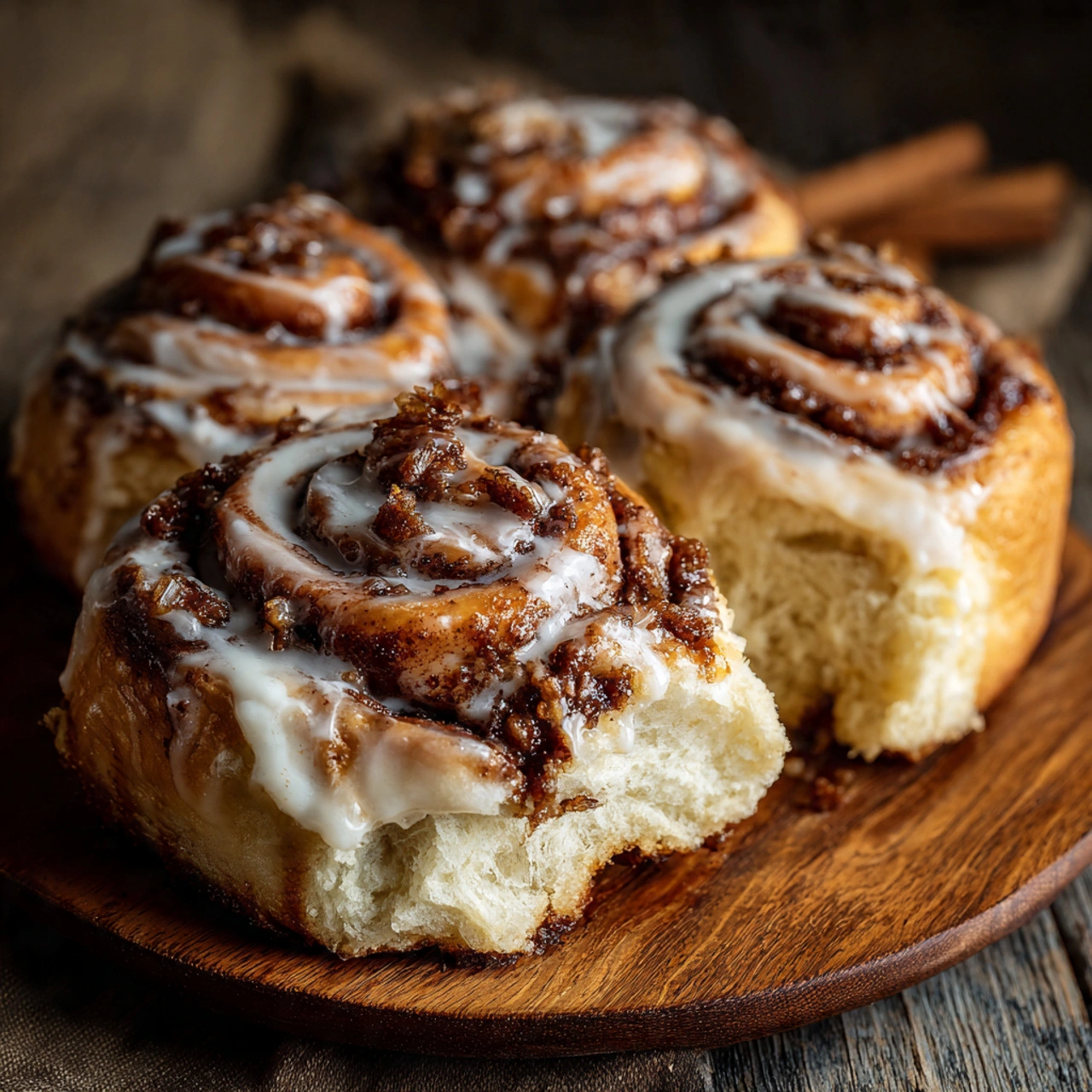
Why Homemade Cinnamon Rolls Will Ruin You for Anything Store-Bought
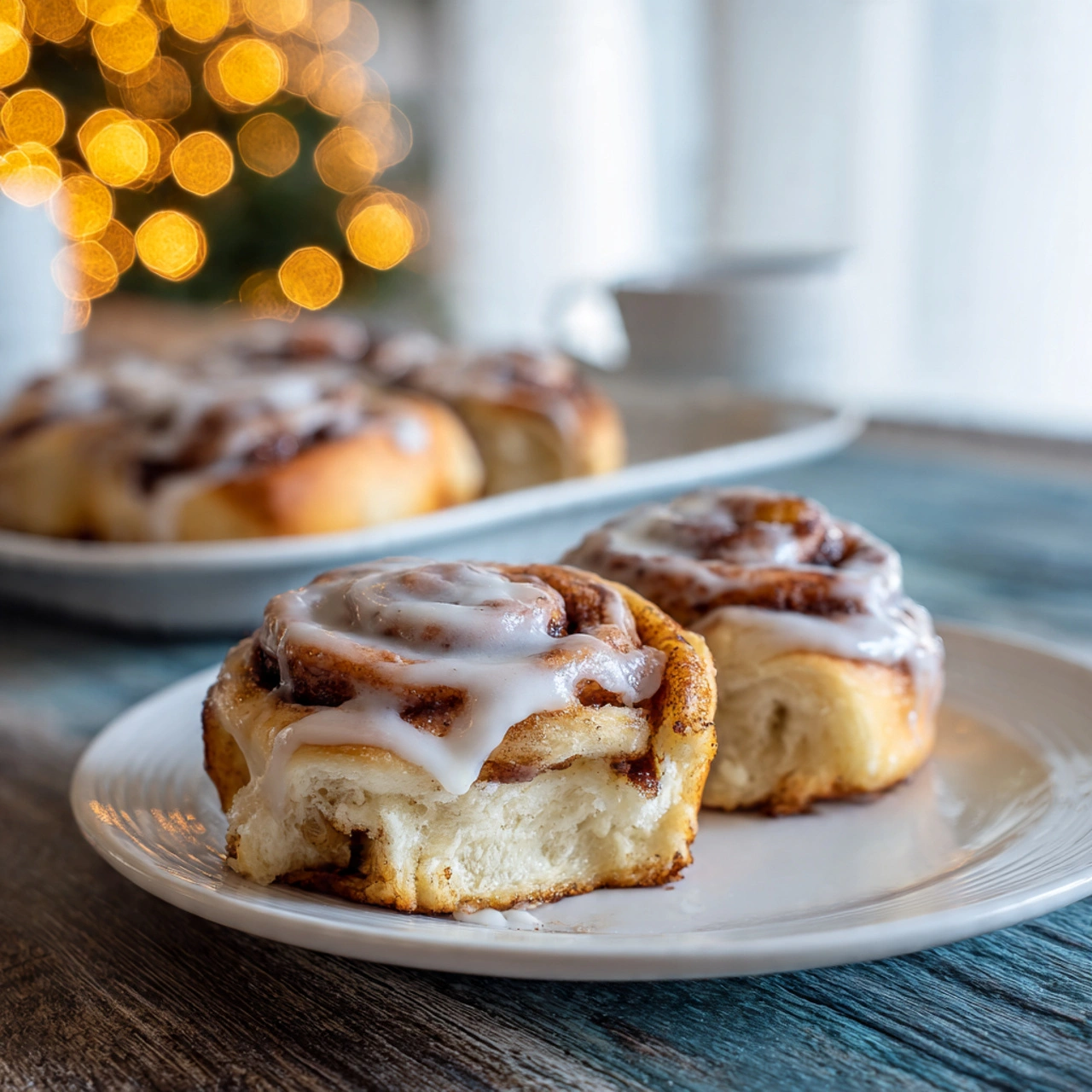
Homemade cinnamon rolls are one of those rare baking projects that reward every single minute of effort with something almost outrageously good — warm, pillowy spirals packed with a buttery cinnamon sugar filling and blanketed under a cascade of tangy cream cheese frosting. The moment they come out of the oven, the entire house smells like a dream you never want to wake up from.
I have been baking homemade cinnamon rolls for well over a decade, and let me tell you something: the first time you pull a tray of these from your own oven, you will never look at a can of store-bought rolls the same way again. This recipe has been tested, tweaked, and perfected through countless Saturday mornings, holiday brunches, and “I just needed something comforting” weeknights.
In this post, I am going to walk you through everything — from ingredients and step-by-step instructions to pro tips, common mistakes, storage ideas, and answers to the most frequently asked questions. Whether you are a complete beginner or a seasoned baker looking to level up, this guide has everything you need.
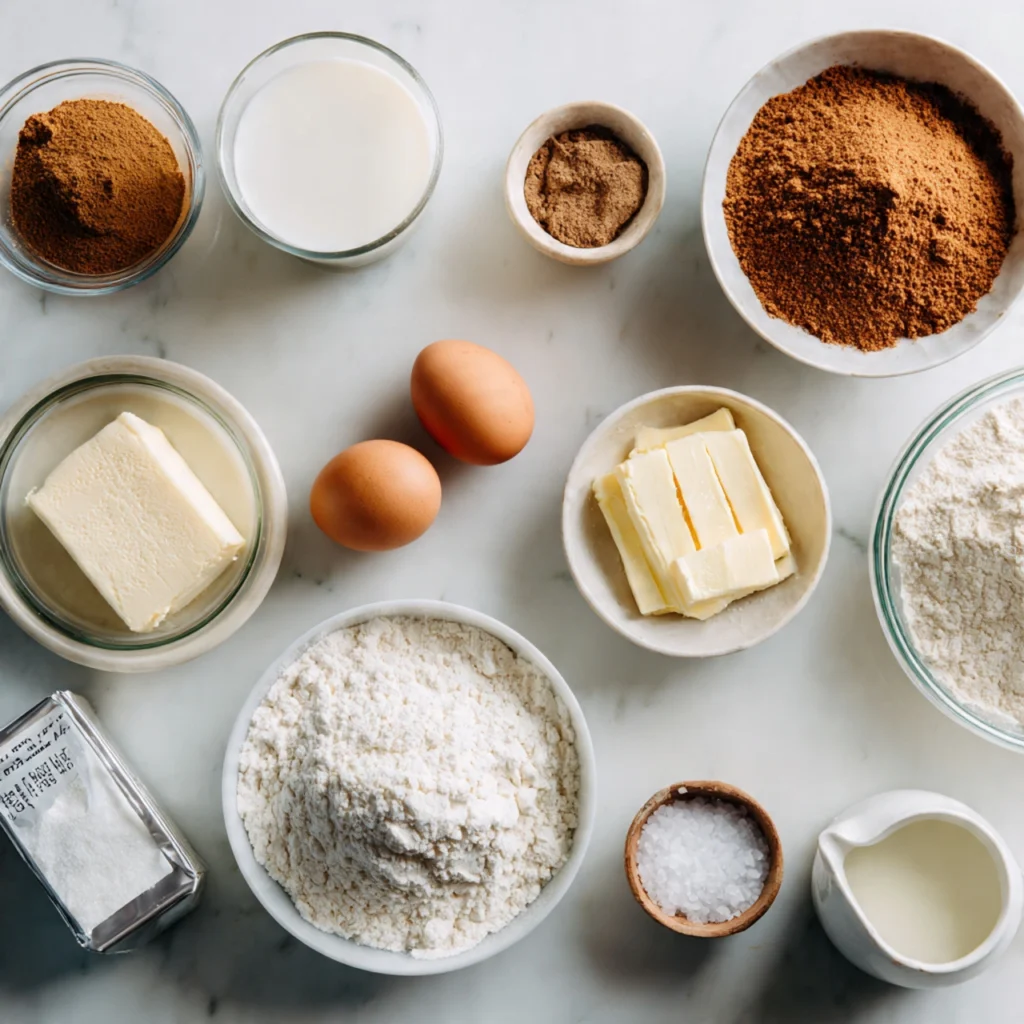
Ingredients for Homemade Cinnamon Rolls
This recipe makes 12 large, bakery-style rolls. Here is everything you will need.
For the Dough
- 3/4 cup whole milk, warmed to about 110°F
- 2 1/4 tsp active dry yeast (1 standard packet)
- 1/4 cup granulated sugar, divided
- 2 large eggs, room temperature
- 1/3 cup unsalted butter, melted and cooled slightly
- 1 tsp fine sea salt
- 4 to 4 1/2 cups all-purpose flour, plus more for dusting
For the Cinnamon Filling
- 1/2 cup unsalted butter, softened to room temperature
- 3/4 cup packed light brown sugar
- 2 1/2 tbsp ground cinnamon
- 1/4 tsp fine sea salt
For the Cream Cheese Frosting
- 4 oz cream cheese, softened
- 1 1/2 cups powdered sugar, sifted
- 3 to 4 tbsp whole milk or heavy cream
- 1 tsp pure vanilla extract
- Pinch of fine sea salt
Step-by-Step Instructions for Homemade Cinnamon Rolls
Step 1: Activate the Yeast
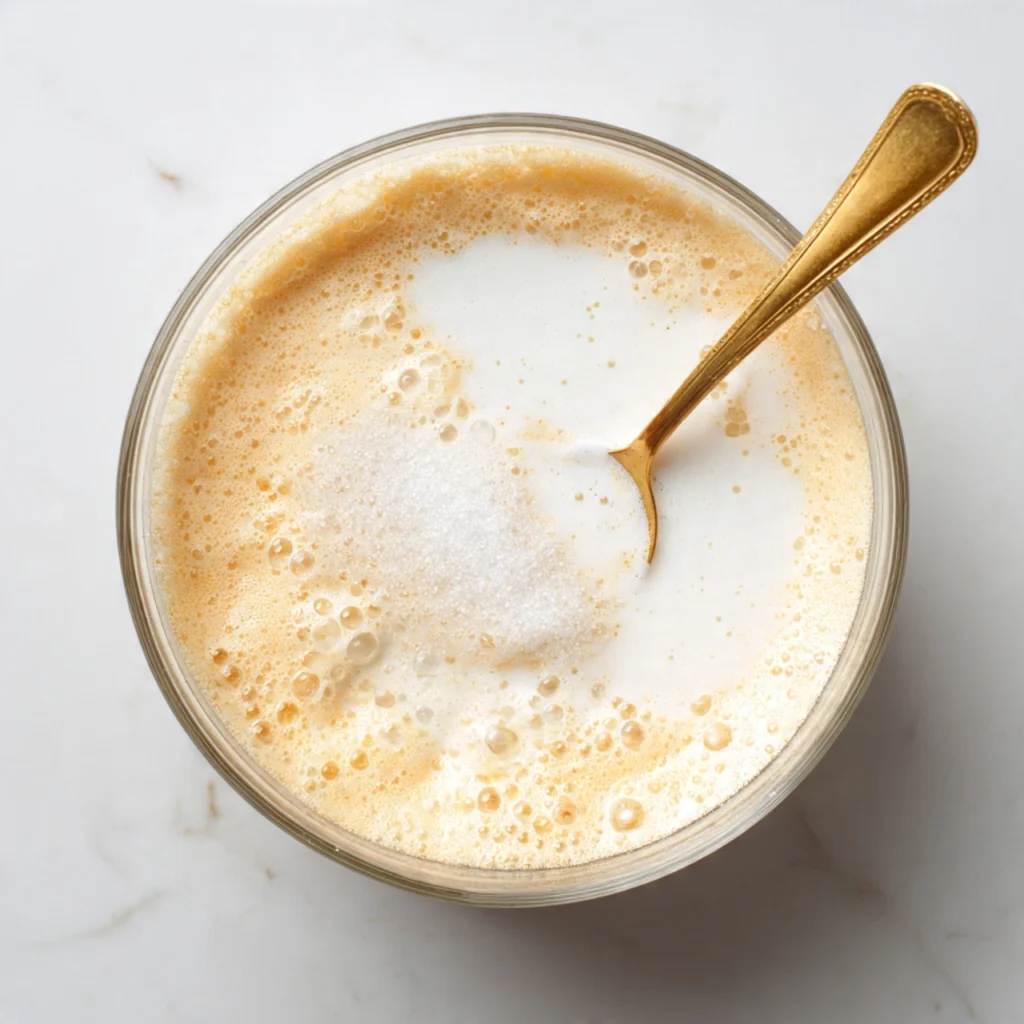
Pour the warm milk into a large mixing bowl or the bowl of your stand mixer. Sprinkle the yeast and one tablespoon of the granulated sugar over the top. Give it a gentle stir and let it sit for 5 to 10 minutes. When the mixture becomes foamy and fragrant, your yeast is active and ready to go. If nothing happens after 10 minutes, your yeast may be expired or your milk was too hot or too cold — start fresh before continuing.
Step 2: Make the Dough
To the activated yeast mixture, add the remaining sugar, eggs, melted butter, and salt. Whisk to combine. Add 4 cups of flour and mix with a dough hook on medium speed — or stir with a wooden spoon if working by hand — until a shaggy dough forms. Continue kneading for 6 to 8 minutes, adding the remaining flour a tablespoon at a time as needed. The dough is ready when it is smooth, slightly tacky, and springs back slowly when you poke it with a finger.
Step 3: First Rise
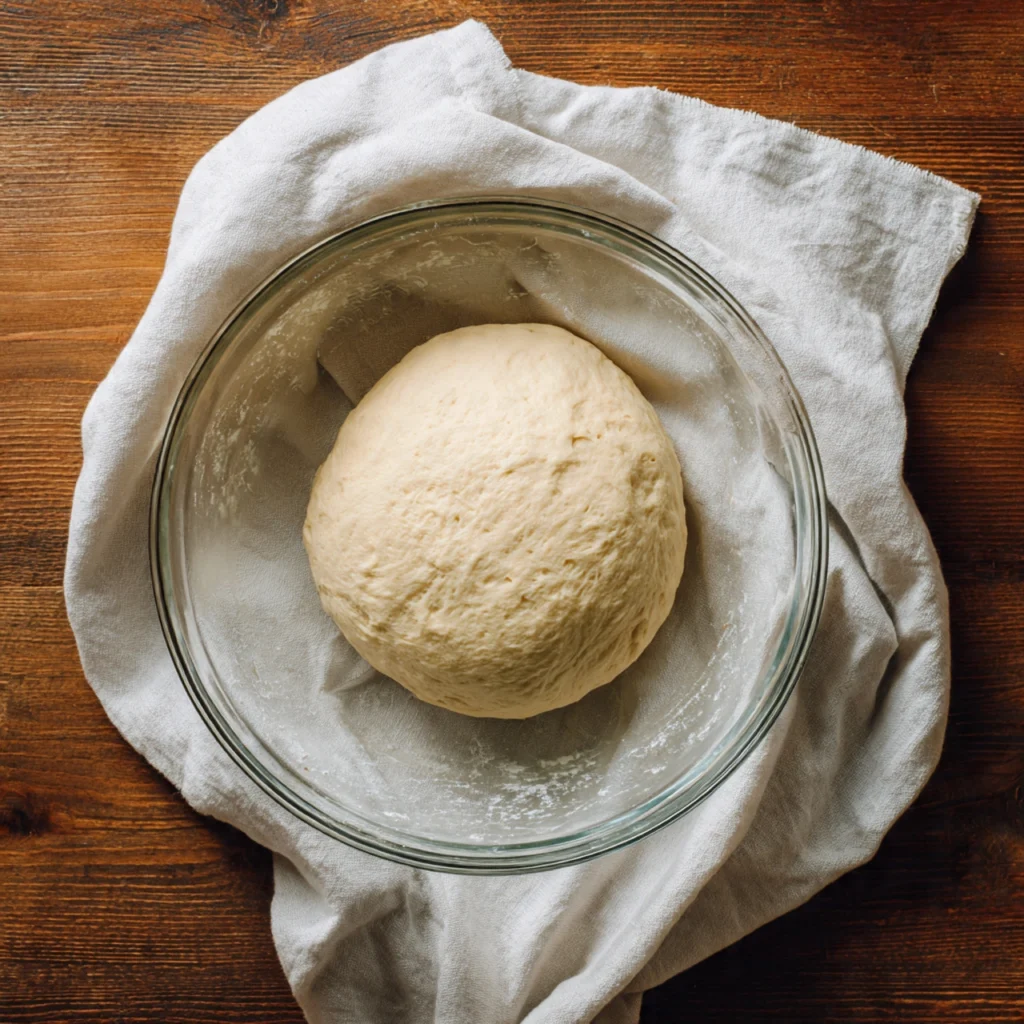
Shape the dough into a ball and place it in a lightly greased bowl. Cover tightly with plastic wrap or a clean kitchen towel and let it rise in a warm, draft-free spot for 1 to 1.5 hours, until it has doubled in size. To speed this up slightly, place the covered bowl in an oven that has been preheated to 170°F and then turned off.
Step 4: Prepare the Filling
While the dough rises, mix the softened butter, brown sugar, cinnamon, and salt together in a small bowl until you have a thick, spreadable paste. Set it aside at room temperature so it stays soft and workable.
Step 5: Roll Out the Dough
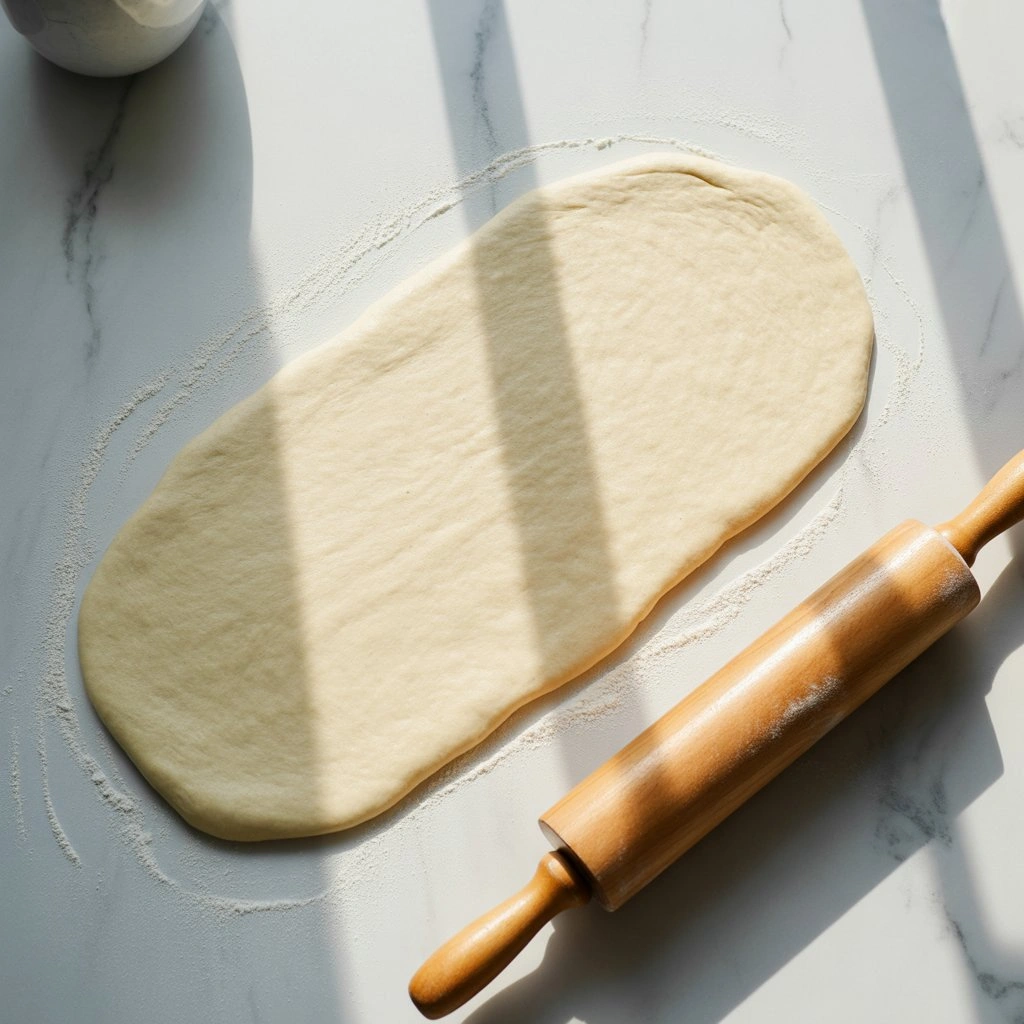
Once the dough has doubled, punch it down gently and turn it out onto a lightly floured surface. Roll it into a rectangle roughly 16 inches wide by 12 inches tall, keeping the thickness consistent at about 1/4 inch. If the dough keeps springing back, let it rest for 5 minutes and try again — the gluten just needs a moment to relax.
Step 6: Spread the Filling and Roll
Spread the cinnamon butter filling evenly over the dough, leaving about a 1/2-inch border along the far long edge. Starting from the long edge closest to you, roll the dough tightly into a log, pressing gently as you go to avoid air pockets. Pinch the seam shut along the length of the log.
Step 7: Slice the Rolls
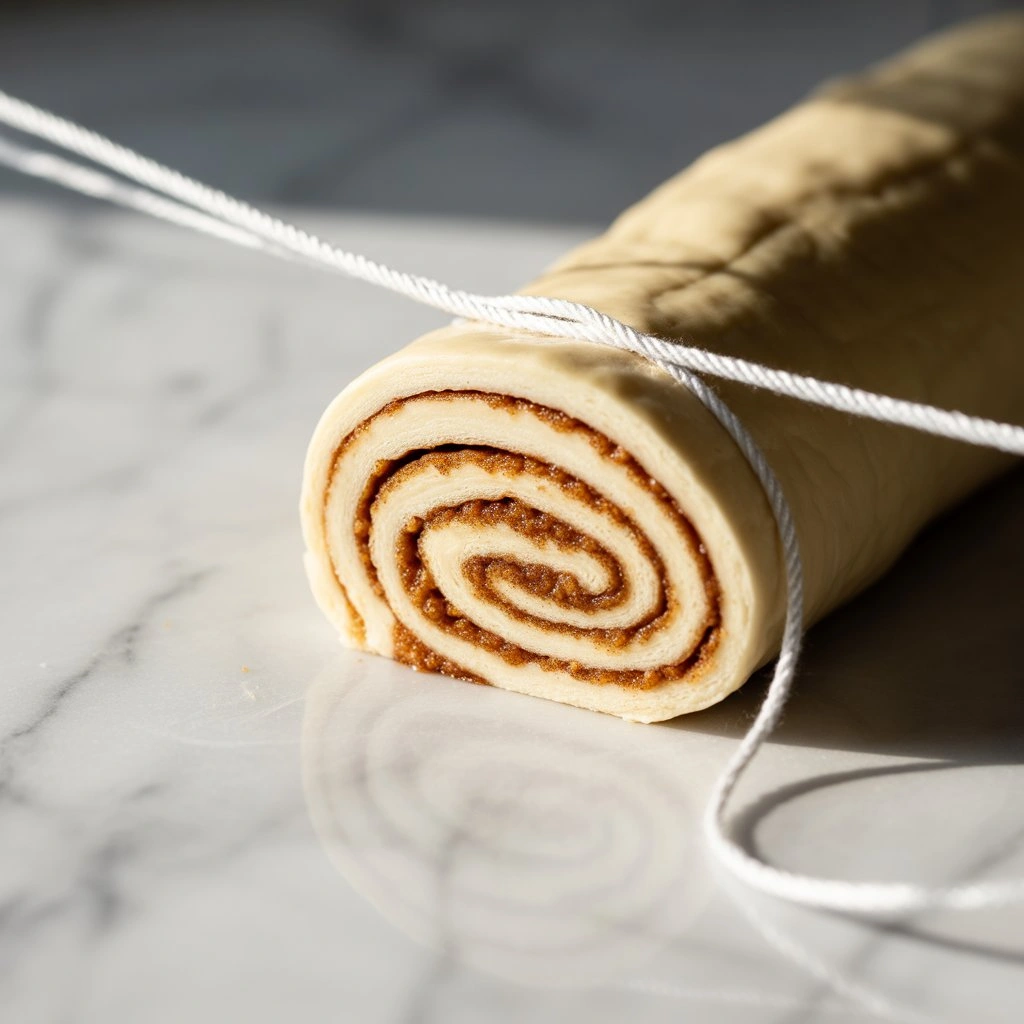
Using unflavored dental floss or a sharp serrated knife, cut the log into 12 equal pieces, each about 1.5 inches thick. Dental floss gives the cleanest cut with no squishing — slide it under the log, cross the ends over the top, and pull. Place each roll cut-side up in a greased 9×13-inch baking pan.
Step 8: Second Rise
Cover the pan loosely with plastic wrap and let the rolls rise for another 30 to 45 minutes, until they are puffed up and touching each other. This second rise is what gives them their signature pull-apart softness. Do not skip it.
Step 9: Bake
Preheat your oven to 350°F (175°C). Bake the rolls on the center rack for 22 to 26 minutes, until the tops are lightly golden and the centers no longer look raw. Resist the urge to overbake — the rolls will look slightly underdone in the middle, but they continue to set as they cool.
Step 10: Frost and Serve
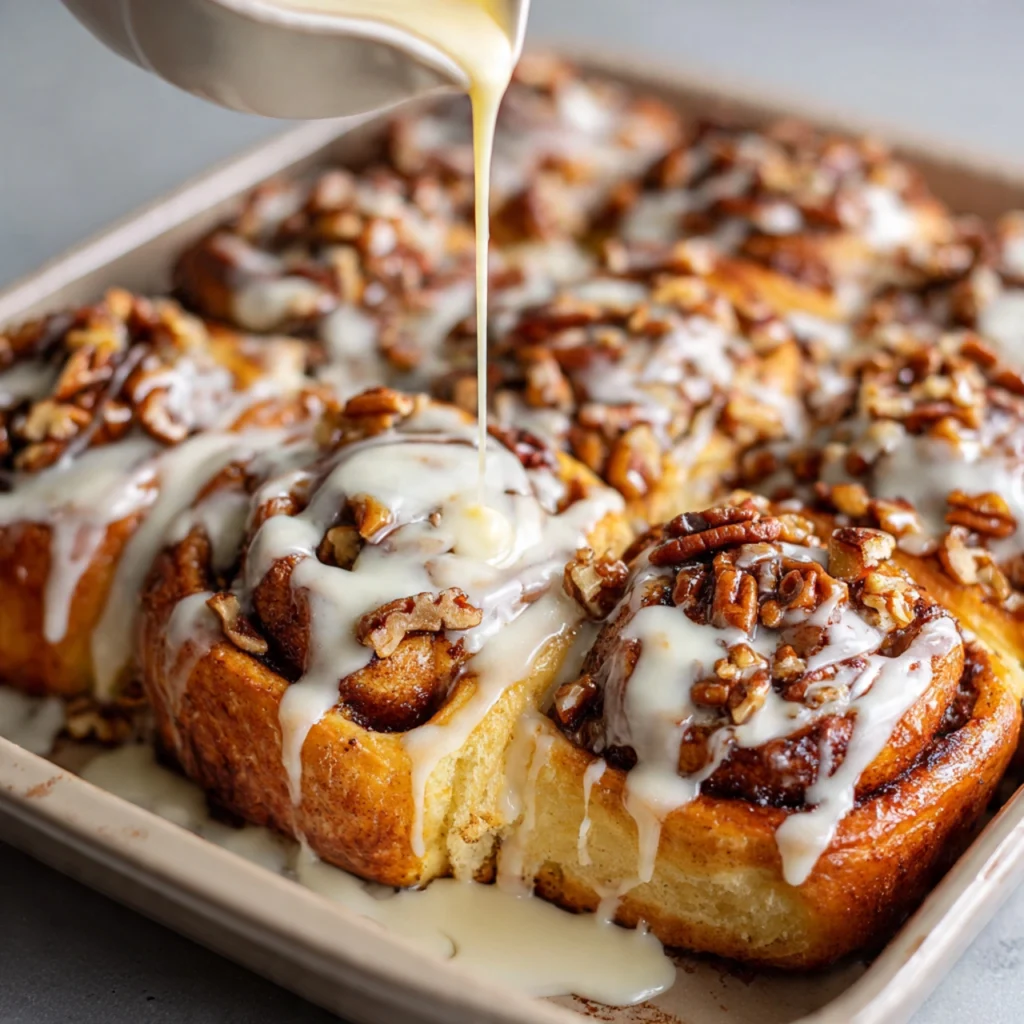
While the rolls bake, beat together the cream cheese, powdered sugar, vanilla, salt, and enough milk to reach a thick but spreadable consistency. As soon as the rolls come out of the oven, spread a generous layer of frosting over the top so it melts down into every crevice. Serve warm.
12 Pro Tips for the Best Homemade Cinnamon Rolls Every Time
1. Use Bread Flour for Extra Chew
Swapping half the all-purpose flour for bread flour adds a subtle chewiness and helps the rolls hold their structure. A 50/50 blend is a great place to start experimenting.
2. Always Use Room-Temperature Ingredients
Cold eggs and cold butter can inhibit yeast activity and toughen the dough. Pull your eggs and butter out of the fridge at least 30 minutes before you start.
3. Get the Milk Temperature Right
Milk above 120°F kills the yeast. Milk that is too cold will not activate it. Aim for 105°F to 115°F — it should feel comfortably warm on your wrist, not hot.
4. Soften the Filling Butter Properly
Your filling butter needs to be genuinely soft — not melted, not cold. If it is too cold it will tear the dough; too melted and the filling will leak everywhere during rolling.
5. Use a Ruler
Consistent dimensions mean even baking. A quick measure to confirm your rectangle is the right size takes seconds and makes a real difference in the finished rolls.
6. Chill the Log Before Slicing
For the cleanest cuts, refrigerate or freeze the rolled dough log for 10 to 15 minutes before slicing. Firmer dough means sharper edges and prettier rolls.
7. Pack the Pan Snugly
Rolls placed close together support each other as they rise and bake, which is what creates that tall, fluffy, pull-apart texture.
8. Watch Color, Not Just the Clock
Ovens vary. Pull the rolls when the tops are pale golden — not brown. If they color too quickly, tent the pan loosely with foil for the last few minutes.
9. Frost While Still Hot
Adding frosting to hot rolls lets it seep down between the layers, creating a gloriously gooey interior. If you prefer a thicker frosting layer on top, let them cool for 5 to 10 minutes first.
10. Add Heavy Cream Before Baking
Pour 1/4 cup of heavy cream over the rolls right before they go into the oven. This old bakery trick steams the rolls from the bottom up, making them exceptionally soft and rich.
11. Make It an Overnight Recipe
After placing the sliced rolls in the pan, cover and refrigerate overnight instead of doing the second rise at room temperature. In the morning, let them sit out for 45 minutes, then bake as normal. Fresh-baked rolls with almost no morning effort.
12. Double the Batch and Freeze
Bake a double batch, cool the extras completely, and freeze them unfrosted, tightly wrapped. Thaw overnight, warm briefly in the oven, and add fresh frosting. Done.
Common Mistakes to Avoid When Making Homemade Cinnamon Rolls
Adding Too Much Flour
This is the number one cause of dense, dry cinnamon rolls. Add flour gradually and stop as soon as the dough becomes smooth and only slightly tacky. A wetter dough always produces a softer roll.
Not Letting the Dough Rise Long Enough
Rushing either rise will give you flat, dense rolls with a bready texture. Both rises are non-negotiable — give the dough the time it genuinely needs.
Rolling the Dough Too Thin
Very thin dough throws off the filling-to-dough ratio and makes rolls more likely to unravel. Keep the thickness at a consistent 1/4 inch throughout.
Using Cold Cream Cheese in the Frosting
Cold cream cheese makes lumpy frosting. Always start with fully room-temperature cream cheese and beat it smooth before adding anything else.
Overbaking
Pull those rolls out when the centers still look just slightly underdone. Carryover heat finishes the job. Overbaked rolls dry out fast and lose their softness within hours.
Cutting with a Regular Knife
A straight-edged knife drags and squishes the dough. Use unflavored dental floss or a serrated bread knife with a gentle sawing motion for clean, even cuts every time.
Skipping the Salt in the Filling
Salt is a flavor amplifier. Even a small pinch in the cinnamon filling makes all the other flavors taste brighter and more balanced.
Storage and Serving Suggestions
How to Store
Leftover rolls can be kept in an airtight container at room temperature for up to 2 days, or in the refrigerator for up to 5 days. The fridge will dry them out slightly, so always warm them before eating.
How to Reheat
Place a roll on a microwave-safe plate with a small cup of water beside it and microwave for 20 to 30 seconds. The steam from the water keeps it moist and fresh-tasting. Alternatively, wrap individual rolls in foil and warm in a 325°F oven for about 10 minutes.
How to Freeze
Unfrosted, fully baked rolls freeze beautifully for up to 3 months. Wrap each roll individually in plastic wrap, then place in a zip-lock freezer bag. Thaw at room temperature or overnight in the fridge. Make the frosting fresh when ready to serve.
Serving Ideas
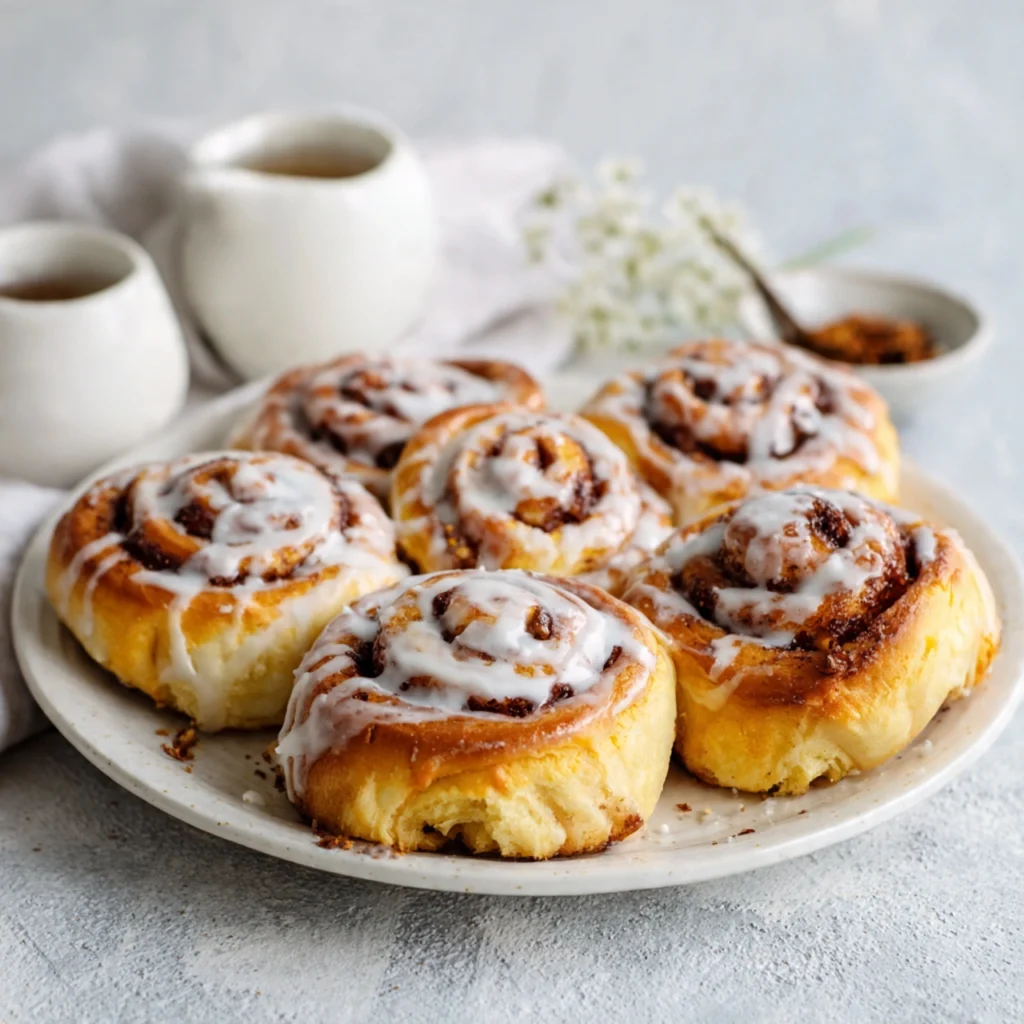
These homemade cinnamon rolls are at their best warm on a lazy weekend morning alongside a strong coffee or a cold glass of whole milk. For a full brunch spread, pair them with fresh fruit, scrambled eggs, and crispy bacon. For a dessert twist, serve slightly warm with a scoop of vanilla ice cream — outrageously good.
Frequently Asked Questions
Can I make homemade cinnamon rolls without a stand mixer?
Absolutely. A stand mixer makes kneading easier, but you can mix and knead entirely by hand. It will take about 10 minutes of hand-kneading to develop the gluten fully. The dough is ready when it feels smooth and elastic. Bonus arm workout included.
Why did my cinnamon rolls turn out dense and bready?
Dense rolls are usually the result of too much flour, under-kneaded dough, or a rise that was cut short. Make sure your yeast is active before starting, add flour gradually, knead until the dough is truly smooth, and give both rises their full time.
Can I use instant yeast instead of active dry yeast?
Yes. If using instant yeast, skip the proofing step and add it directly with your dry ingredients. The rise time will be slightly shorter. Use the same quantity called for in the recipe.
How do I know when the dough has risen enough?
For the first rise, it should double in size — roughly 1 to 1.5 hours at room temperature. For the second rise, the rolls should be visibly puffed and pressing against each other in the pan. A good test: press a floured finger gently into the dough. If the indentation springs back slowly, it is ready. If it snaps back immediately, give it more time.
Can I prepare these ahead of time?
Yes, and this is one of the best features of this recipe. After placing sliced rolls in the pan, cover tightly and refrigerate for up to 18 hours. In the morning, pull the pan out and let it sit at room temperature for 45 to 60 minutes before baking as directed.
What can I use instead of cream cheese frosting?
A simple vanilla glaze works beautifully: whisk together 1.5 cups powdered sugar with 3 to 4 tablespoons of milk and a teaspoon of vanilla. A maple glaze is another great option — substitute 2 tablespoons of maple syrup for some of the milk. Brown butter glaze adds a nutty, caramel-like depth that is genuinely spectacular.
Why did my filling leak out during baking?
Leaking filling usually happens when the filling butter is too close to melted, or when the dough was rolled too loosely. Make sure your butter is softened but not melted, roll the log snugly, and chill it for 10 minutes before slicing to help keep everything contained.
Nutrition Information (Per Roll, Approximate)
Based on 12 rolls with cream cheese frosting. Values are estimates and vary based on exact ingredients used.
Calories: ~420 kcal | Total Fat: ~16g | Saturated Fat: ~9g | Cholesterol: ~65mg | Sodium: ~290mg | Total Carbohydrates: ~63g | Dietary Fiber: ~1.5g | Total Sugars: ~28g | Protein: ~7g | Calcium: ~80mg | Iron: ~2.5mg
Conclusion
At the end of the day, making homemade cinnamon rolls from scratch is one of the most rewarding things you can do in a kitchen. Yes, there is some waiting involved while the dough rises — but those hands-on moments of kneading, rolling, and spreading that fragrant cinnamon filling are genuinely enjoyable. And nothing compares to pulling a golden pan of soft, gooey spirals out of the oven and blanketing them in cream cheese frosting while they are still hot.
This recipe is designed to be approachable for every skill level. With the pro tips, common mistake breakdowns, and make-ahead options covered above, you have everything you need to bake a batch that will leave everyone asking if you went to pastry school.
Give it a try this weekend. Drop a comment below and let me know how it went — and feel free to tag your photos. There is very little I love more than seeing a gorgeous pan of homemade cinnamon rolls that this guide helped you create. Happy baking.

Homemade Cinnamon Rolls
Ingredients
Equipment
Method
- Pour the warm milk into a large mixing bowl. Sprinkle the yeast and 1 tablespoon of the granulated sugar over the top, stir gently, and let sit for 5 to 10 minutes until the mixture is foamy and fragrant. If nothing happens after 10 minutes, start over with fresh yeast.
- Add the remaining sugar, eggs, melted butter, and salt to the yeast mixture and whisk to combine. Add 4 cups of flour and mix with a dough hook on medium speed (or by hand with a wooden spoon) until a shaggy dough forms. Knead for 6 to 8 minutes, adding the remaining flour one tablespoon at a time as needed, until the dough is smooth, slightly tacky, and springs back slowly when poked.
- Shape the dough into a ball and place in a lightly greased bowl. Cover tightly with plastic wrap or a kitchen towel and let rise in a warm, draft-free spot for 1 to 1.5 hours, until doubled in size.
- While the dough rises, mix the softened butter, brown sugar, cinnamon, and salt in a small bowl until you have a thick, spreadable paste. Set aside at room temperature.
- Punch down the risen dough and turn it out onto a lightly floured surface. Roll into a rectangle roughly 16 inches wide by 12 inches tall, about 1/4 inch thick. If the dough springs back, let it rest 5 minutes and try again.
- Spread the cinnamon filling evenly over the dough, leaving a 1/2-inch border along the far long edge. Starting from the long edge closest to you, roll the dough tightly into a log, pressing gently as you go. Pinch the seam shut along the length of the log.
- Using unflavored dental floss or a sharp serrated knife, cut the log into 12 equal pieces about 1.5 inches thick. Place each roll cut-side up in a greased 9×13-inch baking pan. Cover loosely and let rise for 30 to 45 minutes, until puffed and touching.
- Preheat oven to 350°F (175°C). Bake rolls on the center rack for 22 to 26 minutes, until tops are lightly golden. The centers may look slightly underdone — that is perfect. They will set as they cool.
- Beat together the softened cream cheese, powdered sugar, vanilla extract, salt, and enough milk to reach a thick, spreadable consistency. As soon as the rolls come out of the oven, spread the frosting generously over the top so it melts into the layers. Serve warm.


