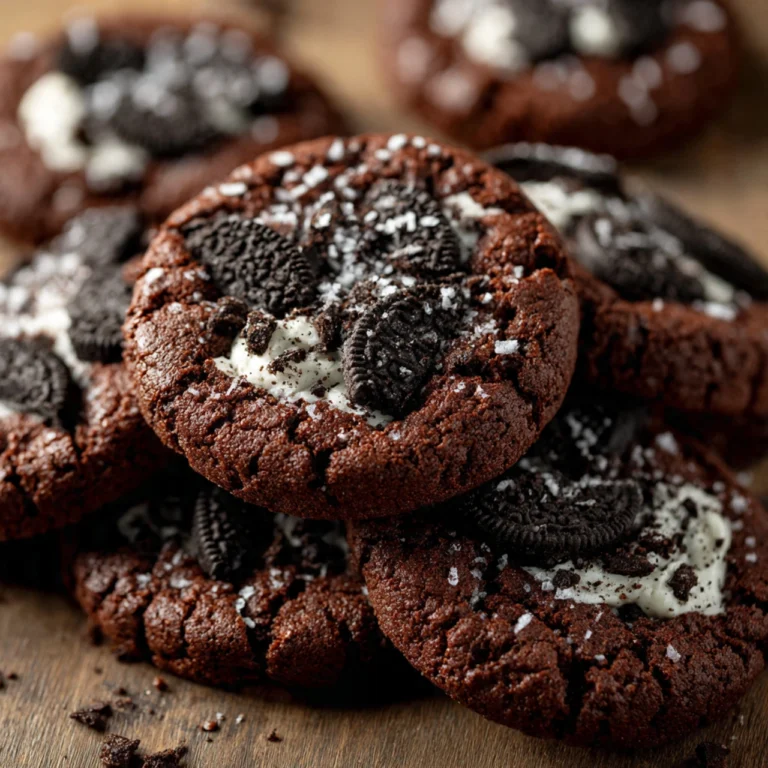
Lemon Cookies: The Bright, Buttery Treat You’ll Make Again and Again

Lemon Cookies – Soft, Zesty, and Absolutely Irresistible
Lemon cookies are the kind of treat that stops people mid-bite and makes them ask, “Wait — what is in these?” There is something almost magical about the combination of bright citrus, a tender buttery crumb, and just enough sweetness to make every bite feel like a small celebration. Whether you are baking for a summer gathering, a holiday cookie tray, a bake sale, or simply because your kitchen deserves to smell like sunshine on a quiet afternoon, this recipe delivers every single time.
These are not the pale, powdery, forgettable cookies that come in a grocery store bakery box. These homemade lemon cookies are bold, fragrant, and deeply flavored — made with real lemon zest, fresh lemon juice, and a simple lemon glaze that takes them straight over the top. They are soft in the center, slightly crisp at the edges, and finished with a tangy-sweet icing that practically shimmers on top.
The best part? You do not need a stand mixer, chilling time, or any advanced baking skills. This is a straightforward, beginner-friendly recipe that comes together in under 30 minutes — and the results taste like you spent all afternoon in the kitchen perfecting every detail.
Why You Will Absolutely Love This Lemon Cookie Recipe
Before we get to the ingredients and steps, here is why this specific recipe stands apart from every other lemon cookie recipe out there.
They use real lemon — not extract. Many budget recipes cut corners with artificial lemon flavoring. This recipe calls for both fresh lemon zest and fresh lemon juice, which gives the cookies a flavor that is vibrant, layered, and completely natural. The zest carries the essential oils of the lemon peel and delivers the most intense citrus punch you can possibly get in a baked cookie.
The texture is perfectly balanced. Nobody wants a dry, crumbly lemon cookie. This recipe uses a thoughtful combination of butter, egg, and a small but mighty addition of cream cheese to create a cookie that is soft and tender in the middle with just enough structure to hold its shape beautifully on a plate or in a box.
The glaze is optional but transformative. A simple two-ingredient lemon glaze takes these cookies from really good to please give me the recipe immediately. It sets beautifully, adds an extra punch of citrus brightness, and gives the cookies a finish that looks like it came straight out of a professional bakery.
Ingredients for Lemon Cookies
Here is everything you need to make approximately 24 lemon cookies.
For the Cookies
2 ¼ cups all-purpose flour ½ teaspoon baking soda ½ teaspoon baking powder ¼ teaspoon salt ¾ cup unsalted butter, softened to room temperature 3 oz cream cheese, softened 1 cup granulated sugar 1 large egg, room temperature 2 tablespoons fresh lemon juice (about 1 large lemon) 1 tablespoon lemon zest (about 1 to 2 lemons) 1 teaspoon pure vanilla extract
For the Lemon Glaze
1 cup powdered sugar, sifted 2 to 3 tablespoons fresh lemon juice 1 teaspoon lemon zest for garnish (optional)
Optional Garnishes
Extra lemon zest sprinkled on top before the glaze sets A light dusting of powdered sugar Fine sanding sugar pressed into the tops before baking for a beautiful sparkle effect
Equipment You Will Need
Two mixing bowls, one large and one medium Hand mixer or stand mixer with paddle attachment Zester or microplane Citrus juicer Rubber spatula Two baking sheets Parchment paper or silicone baking mats 2-tablespoon cookie scoop Wire cooling rack

Step-by-Step Instructions for Perfect Lemon Cookies
Prepare Your Oven and Baking Sheets
Preheat your oven to 350°F (175°C). Line two large baking sheets with parchment paper or silicone baking mats and set aside. A properly preheated oven ensures the cookies bake evenly from the moment they hit the heat. Placing cookie dough on a cold baking sheet in a partially warm oven leads to uneven spreading and an inconsistent texture that nobody wants after all that effort.

Mix the Dry Ingredients
In a medium bowl, whisk together the all-purpose flour, baking soda, baking powder, and salt until evenly combined. Set this aside while you prepare the wet ingredients. Whisking the dry ingredients together before adding them to the wet mixture distributes the leavening agents evenly so every single cookie rises consistently from edge to edge.
Cream Butter, Cream Cheese, and Sugar
In a large bowl, use a hand mixer or stand mixer on medium speed to beat the softened butter and cream cheese together for about 2 minutes until the mixture is completely smooth and fluffy. Add the granulated sugar and continue beating for another 2 to 3 minutes until the mixture is pale, noticeably lighter in color, and airy to the touch. Do not rush this step. Properly creamed butter and sugar create tiny air pockets in the dough that help the cookies rise and achieve that perfectly soft, tender bite that makes people reach for a second one before the first is even finished.

Add Egg, Lemon, and Vanilla
Add the egg, fresh lemon juice, lemon zest, and vanilla extract to the butter mixture. Beat on medium speed until fully incorporated, about 1 minute. The batter may look slightly curdled at this point — that is completely normal and will smooth out beautifully once the flour mixture is added. Do not panic and do not add extra flour to compensate.
Combine Wet and Dry Ingredients
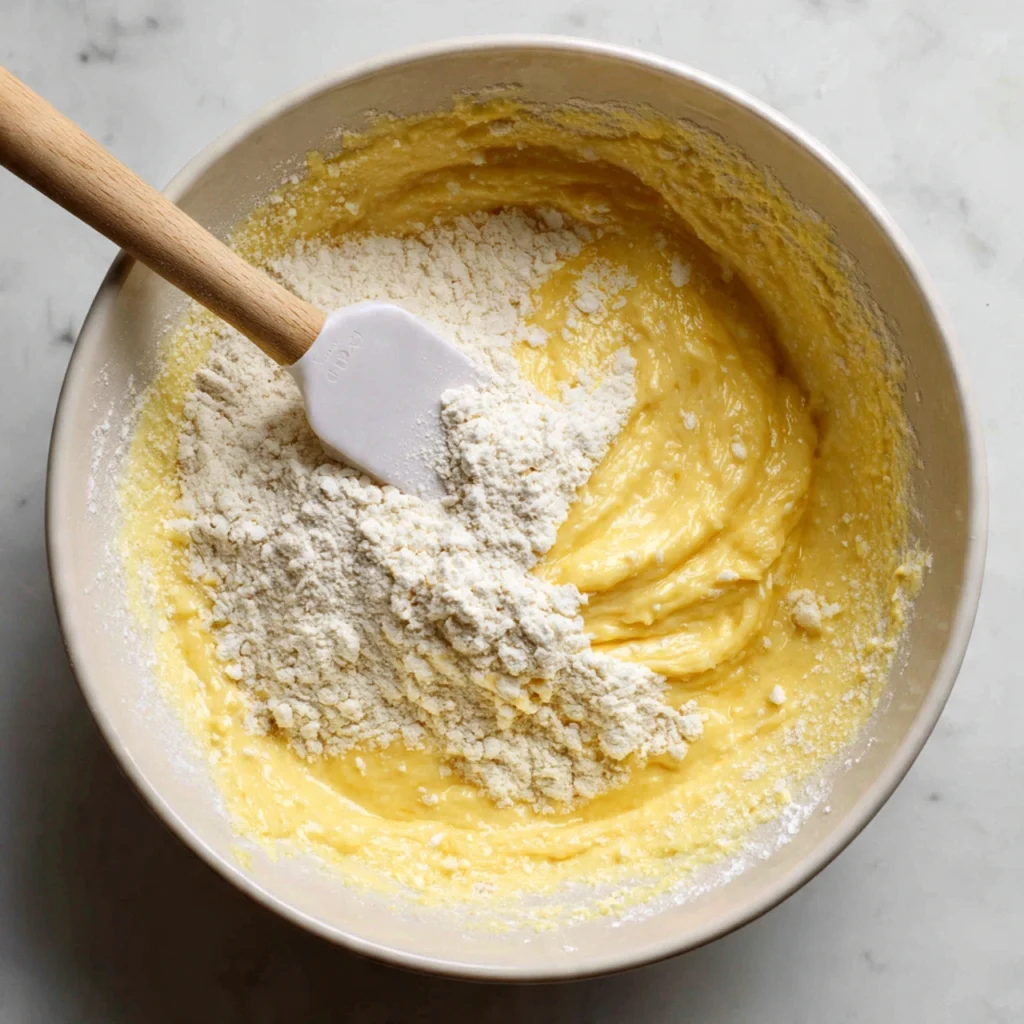
Add the flour mixture to the wet ingredients in two additions, mixing on low speed just until no streaks of flour remain. Do not overmix under any circumstances. Use a rubber spatula to scrape the sides and bottom of the bowl and fold the dough a few times by hand to make sure everything is evenly incorporated without developing the gluten any further.
Scoop and Shape
Using a 2-tablespoon cookie scoop, drop rounded balls of dough onto the prepared baking sheets, spacing them about 2 inches apart to allow for natural spreading during baking. For a slightly crinkled, bakery-style look, gently press each ball down just slightly with the palm of your hand before placing the sheet in the oven.
Bake
Bake in the preheated oven for 10 to 12 minutes, until the edges are just set and the tops look barely done. The centers will look underbaked and slightly glossy — that is exactly what you want. They will firm up to a perfect soft texture as they cool on the pan. Do not wait for golden brown tops. Lemon cookies should stay pale and pillowy, not golden and crispy.
Cool
Let the cookies cool on the baking sheet for 5 minutes before transferring to a wire rack to cool completely. Do not glaze them while they are still warm — the glaze will slide right off and pool underneath, leaving you with sticky, uneven cookies instead of the beautiful glazed finish you are going for.
Make the Lemon Glaze and Finish
In a small bowl, whisk together sifted powdered sugar and fresh lemon juice until smooth and pourable. Start with 2 tablespoons of lemon juice and add more gradually until you reach your desired consistency — thinner for a glaze that soaks in slightly, thicker for a glaze that sits proudly on top. Drizzle or spoon the glaze over the fully cooled cookies and sprinkle immediately with extra lemon zest if desired. Let the glaze set for 15 to 20 minutes before stacking or storing.

Pro Tips for the Perfect Lemon Cookies
Use Room Temperature Ingredients
Cold butter or a straight-from-the-fridge egg will cause your dough to mix unevenly and affect the final texture of the cookies. Pull your butter, cream cheese, and egg out of the refrigerator at least 30 minutes before you start baking. This small act of patience makes a genuinely noticeable difference in the final result.
Zest Before You Juice
Always zest your lemons before cutting and juicing them. Once a lemon is cut, it becomes nearly impossible to zest properly because the surface collapses and the essential oils scatter. Use a microplane for the finest, most fragrant zest that blends invisibly into the dough while contributing maximum flavor.
Do Not Skip the Cream Cheese
The cream cheese in this recipe is a quiet game-changer. It adds richness and moisture that keeps the cookies soft for days after baking, and it contributes a very subtle tang that complements the lemon flavor in a way that butter alone simply cannot achieve. You will not taste cream cheese in the finished cookie — you will just taste something that is noticeably better than any lemon cookie you have had before.
Use Fresh Lemons Only
Bottled lemon juice is flat, slightly bitter after baking, and completely lacking the vibrant fragrance that makes these cookies special. Fresh lemon juice and fresh zest carry a brightness that no bottled product can replicate. For 24 cookies, you will need approximately 2 to 3 medium lemons — an investment of less than a dollar that makes an enormous difference.
Do Not Overbake
The single most common reason lemon cookies disappoint is overbaking. Pull them out when the edges look set but the centers still appear glossy and underdone. That is your moment. They will firm up to exactly the right texture as they cool, and anyone who eats one will be quietly amazed at how soft and tender they are.
Sift Your Powdered Sugar for the Glaze
Lumpy glaze is a real and avoidable problem. It happens when powdered sugar goes straight from the bag into the bowl without sifting. Take 30 seconds to sift it before adding the lemon juice and your glaze will be completely smooth, glossy, and professionally finished every single time.
Common Mistakes to Avoid When Making Lemon Cookies
Using Lemon Extract Instead of Fresh Lemon
Lemon extract can produce an artificial, almost medicinal flavor when used in large quantities, and it lacks the aromatic complexity of real citrus. If you must use extract because fresh lemons are unavailable, use it very sparingly as a supplement — never as a complete replacement for fresh zest and juice.
Skipping the Zest
Many home bakers assume that lemon juice alone provides all the flavor they need. It does not. The zest carries the concentrated aromatic oils that live in the lemon peel, and those oils are what give lemon cookies their deeply recognizable, intensely citrusy character. Juice provides brightness and acidity. Zest provides depth, fragrance, and personality. You need both.
Overmixing the Dough
The moment the flour goes in, restraint becomes essential. Every extra second of mixing encourages gluten development, which transforms a soft, tender cookie into something dense, tough, and disappointing. Mix only until the flour disappears, then stop. Your spatula can do any final gentle folding needed.
Baking on Dark Pans Without Parchment
Dark baking pans absorb significantly more heat than light-colored ones, which means the bottoms of your cookies will brown — or burn — before the centers are properly set. Always line your pans with parchment paper regardless of the pan color, and opt for light-colored aluminum baking sheets whenever possible for the most even, consistent results.
Glazing Warm Cookies
This mistake is born from impatience, and it is completely understandable — freshly baked lemon cookies smell extraordinary and the temptation to finish them immediately is real. But glaze applied to warm cookies runs off completely and pools at the base, creating a sticky mess rather than a clean, set finish. Wait fully. The result is worth it.
Storage and Serving Suggestions
How to Store Lemon Cookies
At room temperature, store lemon cookies in an airtight container for up to 5 days. Place a sheet of parchment paper between layers to prevent sticking and keep the glaze intact. If your kitchen runs warm or humid, refrigerate them in an airtight container for up to 10 days and allow them to come back to room temperature before serving for the best texture and flavor. These cookies freeze beautifully without the glaze — freeze in a single layer on a baking sheet first, then transfer to a freezer-safe bag or container for up to 3 months. Thaw at room temperature and add the glaze fresh before serving.
Make-Ahead Options
The cookie dough can be prepared and refrigerated for up to 48 hours before baking, which makes these perfect for entertaining or holiday planning. You can also freeze pre-scooped dough balls on a baking sheet, transfer them to a freezer bag once solid, and bake directly from frozen whenever the craving strikes — just add 2 to 3 minutes to the baking time and enjoy fresh cookies any day of the week.

Serving Suggestions
Lemon cookies belong at the center of any occasion that calls for something bright and beautiful. Serve them alongside afternoon tea with Earl Grey or chamomile for a pairing that feels effortlessly elegant. Arrange them on a dessert platter with fresh raspberries, blueberries, and a small bowl of whipped cream for a stunning and minimal presentation. Add them to a holiday cookie assortment where their citrus flavor provides a refreshing contrast to richer, heavier cookies like chocolate or caramel. They are a natural fit for bridal showers, baby showers, and spring gatherings where the overall aesthetic calls for something light, cheerful, and memorable. For a simple but genuinely impressive dessert, serve two cookies alongside a scoop of good vanilla bean ice cream with a few drops of remaining glaze drizzled on top.
Frequently Asked Questions About Lemon Cookies
Can I make lemon cookies without cream cheese?
Yes. Substitute the cream cheese with an equal amount of additional softened unsalted butter. The cookies will still be flavorful and enjoyable, though they may spread slightly more during baking and will not have quite the same pillowy, ultra-soft texture. Cream cheese is strongly recommended for the best possible result, but the recipe will still work without it.
Can I use bottled lemon juice instead of fresh?
Technically yes, but the flavor difference will be immediately noticeable. Bottled lemon juice is pasteurized and preserved, which strips it of the vibrant, fresh character that makes these cookies exceptional. Since lemons are inexpensive and widely available in any grocery store, using fresh juice and zest is always the right choice for this recipe.
Why did my lemon cookies spread too much during baking?
The most common causes of excessive spreading are butter that was too warm or partially melted before creaming, dough that was too warm when it went into the oven, or slightly too little flour measured by weight rather than properly spooned and leveled. Make sure your butter is softened but still cool to the touch, and if your kitchen is particularly warm, refrigerate the scooped dough balls for 15 minutes before placing them in the oven.
Can I make these cookies gluten-free?
Yes. Replace the all-purpose flour with a 1-to-1 gluten-free baking flour blend. The texture may be very slightly different depending on the brand you use, but the flavor will be just as bright and delicious. Make sure all your other ingredients, including baking powder and vanilla extract, are certified gluten-free if you are baking for someone with celiac disease or a serious gluten sensitivity.
How do I know when lemon cookies are actually done baking?
Look at the edges first — they should appear set and just barely beginning to lose their glossy raw look. The tops and centers should still look soft, slightly puffed, and underdone. That visible underbaked quality in the center is your cue to pull the pan out. The cookies will continue to bake from the residual heat of the pan for several minutes after leaving the oven, and they will be perfectly set and tender once fully cooled.
Can I add mix-ins to this lemon cookie recipe?
Absolutely. White chocolate chips pair exceptionally well with lemon and add a creamy sweetness that balances the citrus beautifully. Dried cranberries or dried blueberries introduce a fruity tartness that complements the lemon without overwhelming it. Poppy seeds folded into the dough give the cookies a classic lemon-poppy character and a lovely subtle crunch. Finely chopped macadamia nuts add richness and texture. Fold in up to ¾ cup of any mix-in at the very end of Step 5, just before scooping.
Do lemon cookies need to be refrigerated after baking?
No. Stored properly in an airtight container at room temperature, these cookies stay fresh, soft, and flavorful for up to 5 days without refrigeration. Refrigeration is only necessary if your home is very warm, very humid, or if you want to extend their shelf life beyond 5 days. Bring refrigerated cookies to room temperature before eating for the best texture.
Approximate Nutrition Information
Per cookie based on 24 cookies with glaze:
Calories: 165 Total Fat: 7g Saturated Fat: 4g Cholesterol: 28mg Sodium: 75mg Total Carbohydrates: 24g Sugars: 15g Protein: 2g Fiber: 0.3g
Please note these values are estimates calculated using standard ingredient amounts and may vary depending on specific brands used and any substitutions or additions made to the base recipe.
Why Lemon Cookies Deserve a Permanent Spot in Your Recipe Collection
There is a reason lemon cookies never go out of style. They are bright when everything else feels heavy. They are light when you want something sweet without going completely overboard. They are simple enough for a Tuesday afternoon and elegant enough to serve at a celebration. They make people genuinely happy — and that, in the end, is the entire point of baking something by hand.
This recipe gives you everything you could want from a lemon cookie: real citrus flavor that actually tastes like a lemon, a foolproof method that works the first time and every time after that, a silky glaze that finishes them beautifully, and a texture that stays soft for days. Whether this is your very first time making lemon cookies or your fiftieth, this is the version you will return to again and again — the one you will share with friends, write on an index card for your sister, and think about on days when you need something small and bright to look forward to.
Bake a batch. Share them generously. And do not be even slightly surprised when everyone at the table asks for the recipe before the plate is empty.


Lemon Cookies
Ingredients
Equipment
Method
- Preheat your oven to 350°F (175°C). Line two large baking sheets with parchment paper or silicone baking mats and set aside.
- In a medium bowl, whisk together the all-purpose flour, baking soda, baking powder, and salt until evenly combined. Set aside.
- In a large bowl, use a hand mixer or stand mixer on medium speed to beat the softened butter and cream cheese together for about 2 minutes until smooth and fluffy. Add the granulated sugar and continue beating for another 2–3 minutes until pale, light, and airy.
- Add the egg, fresh lemon juice, lemon zest, and vanilla extract to the butter mixture. Beat on medium speed until fully incorporated, about 1 minute. The batter may look slightly curdled — this is normal and will smooth out when the flour is added.
- Add the flour mixture to the wet ingredients in two additions, mixing on low speed just until no streaks of flour remain. Do not overmix. Use a rubber spatula to scrape the sides and bottom of the bowl and fold a few times to ensure everything is evenly incorporated.
- Using a 2-tablespoon cookie scoop, drop rounded balls of dough onto the prepared baking sheets, spacing them about 2 inches apart. Gently press each ball down slightly with the palm of your hand for a bakery-style look.
- Bake in the preheated oven for 10–12 minutes, until the edges are just set and the tops still look soft and barely done. Do not wait for golden brown tops. Let cookies cool on the baking sheet for 5 minutes before transferring to a wire rack to cool completely.
- In a small bowl, whisk together sifted powdered sugar and fresh lemon juice until smooth and pourable. Drizzle or spoon over fully cooled cookies and sprinkle immediately with extra lemon zest if desired. Let the glaze set for 15–20 minutes before stacking or storing.