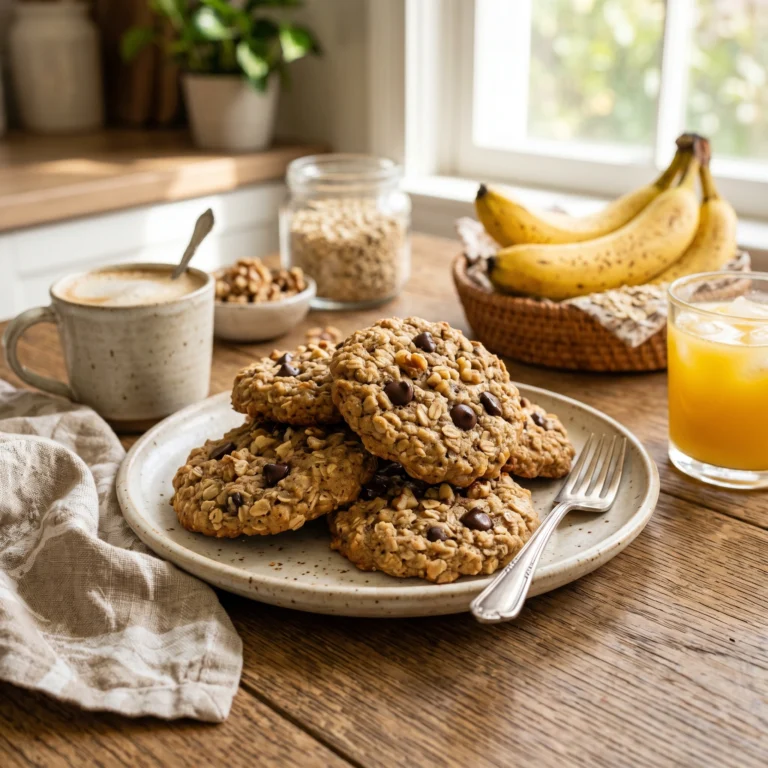
Mini Chocolate Covered Peanut Butter Cookies: The Bite-Sized Treat That Disappears Every Time
Introduction: Why Mini Chocolate Covered Peanut Butter Cookies Are the Most Dangerous Treat You Will Ever Make
Mini chocolate covered peanut butter cookies are the kind of treat that makes people reach into the bowl before they have even finished saying hello. There is something about the combination of a tender, slightly crispy peanut butter cookie base and a thin shell of glossy dark chocolate that triggers something deeply primal in most human beings — the same instinct that makes peanut butter cups disappear from Halloween candy bowls before any other chocolate. These cookies tap into that exact same craving, but they are homemade, they are miniature, and they are genuinely better than anything you will find in a shop.
The miniature format is not just a stylistic choice — it is the secret to why these cookies work so well. At roughly an inch and a half in diameter, each cookie is one perfect bite. The ratio of peanut butter cookie to chocolate coating is precisely right at that size — substantial enough to get the full flavour of both elements in every single bite, small enough that eating three or four of them feels completely reasonable. And because they are small, they chill quickly after dipping, which means you can go from mixing bowl to finished chocolate-coated cookies in under an hour.
I have been making versions of these for years — for holiday cookie boxes, birthday parties, bake sales, and plenty of evenings when the peanut butter and chocolate craving hit hard enough to justify turning on the oven. Every time, without exception, they are the first thing to disappear from whatever plate or platter they are on. People who say they do not really like cookies make exceptions for these. People who are trying to be sensible about sugar eat four and then quietly come back for two more.
This guide covers everything you need: the full ingredient list, step-by-step instructions, pro tips that make a real difference, the mistakes that are easy to avoid once someone points them out, storage advice, a complete FAQ, and a nutrition breakdown. Everything is here.
What Makes These Mini Chocolate Covered Peanut Butter Cookies So Special
Before we get into the recipe, it is worth understanding what we are building and why each element matters. A great mini chocolate covered peanut butter cookie has three distinct layers of experience happening simultaneously. The first is the chocolate shell — thin, glossy, and snappy with a clean break when you bite through it. The second is the peanut butter cookie beneath — slightly crispy at the very edge, chewy and dense at the center, with a deep roasted peanut flavour that comes from using the right peanut butter and not over-baking. The third is the contrast between the two — the slight bitterness of dark chocolate against the sweet, salty, nutty cookie is one of the genuinely great flavour combinations in all of baking.
Getting all three right simultaneously is what this recipe is designed to do, and every decision in the ingredient list and technique is in service of that goal.
Ingredients
For the Peanut Butter Cookies
- 1 cup (250g) creamy peanut butter — full-fat, not natural or no-stir (see pro tips)
- ½ cup (100g) granulated white sugar
- ¼ cup (50g) light brown sugar, packed
- 1 large egg, at room temperature
- 1 teaspoon pure vanilla extract
- ½ teaspoon baking soda
- ¼ teaspoon fine sea salt
- 2 tablespoons all-purpose flour (just enough for structure)
For the Chocolate Coating
- 300g (10.5 oz) good quality dark chocolate — 60 to 70% cacao, finely chopped, or high-quality dark chocolate chips
- 1 tablespoon neutral coconut oil or vegetable shortening (for a thinner, glossier, snappier shell)
Optional Finishing Touches
- Flaky sea salt (Maldon or similar) for sprinkling
- Crushed roasted peanuts for texture
- White chocolate drizzle for decoration
- Sprinkles for a festive finish

Step-by-Step Instructions
Step 1: Preheat and Prepare Your Baking Sheet
Preheat your oven to 350°F (175°C). Line two baking sheets with parchment paper or silicone baking mats. The parchment is important — it prevents the cookies from sticking and ensures even browning on the bottom without over-darkening. Set the prepared sheets aside and take a moment to clear some space in your refrigerator — you will need room to chill the dipped cookies later.

Step 2: Make the Peanut Butter Cookie Dough
In a large mixing bowl, combine the peanut butter, granulated sugar, and brown sugar. Beat together with a hand mixer on medium speed or a wooden spoon with some serious elbow grease for about 2 minutes until the mixture is smooth, slightly lighter in colour, and the sugars are well incorporated. The brown sugar adds a faint molasses note that deepens the peanut flavour considerably — do not be tempted to use all white sugar.
Add the egg and vanilla extract and beat again until fully combined and the dough looks cohesive and slightly glossy. Add the baking soda, fine sea salt, and the two tablespoons of flour. Mix until everything is just incorporated — do not over-mix at this stage. The dough will be soft, slightly sticky, and dense. This is correct. Resist the urge to add more flour — the cookies need to be slightly underdone when they come out of the oven to achieve that chewy center.
Step 3: Portion and Shape the Mini Cookies
This is where the miniature format requires a little extra attention. Using a small cookie scoop — a number 60 or number 70 scoop if you have one, which gives you roughly one teaspoon of dough per cookie — portion the dough into small balls and roll each one briefly between your palms to smooth it. Place them on the prepared baking sheets about 1.5 inches apart — these cookies do not spread much but they need a little room.
Using the tines of a fork, press a gentle crosshatch pattern into the top of each cookie ball — the classic peanut butter cookie pattern. Press lightly — you want to flatten the ball to roughly ½-inch thickness without pressing so hard that the cookie becomes paper-thin. The crosshatch serves two purposes: it is the traditional visual signature of a peanut butter cookie, and it creates a slightly textured surface that helps the chocolate coating adhere more evenly. If the dough sticks to the fork, dip the fork in a small bowl of water between presses.

Step 4: Bake the Cookies
Bake the cookies in the preheated oven for 8 to 10 minutes. This is the most critical timing window in the recipe. At 8 minutes, the cookies will look underdone — slightly puffed, pale in the center, and soft when you touch them. That is exactly right. They will firm up significantly as they cool and the residual heat finishes cooking them through. At 10 minutes, the edges should be just barely beginning to set with a very faint golden colour. Pull them out at that point regardless of how underdone they appear.
Overbaked peanut butter cookies are hard, dry, and crumbly — and once they are coated in chocolate, there is no recovering from that texture. Underbaked is always better than overbaked for this recipe. Let the cookies cool on the baking sheet for 5 minutes — they are too fragile to move immediately — then transfer to a wire rack and allow them to cool completely before dipping. Attempting to dip warm cookies will melt your chocolate coating from the inside and give you a mess.
Step 5: Melt the Chocolate
Once the cookies are completely cool, prepare the chocolate coating. Place the finely chopped dark chocolate and the coconut oil or shortening in a heatproof bowl. Melt using one of two methods: place the bowl over a small saucepan of barely simmering water (bain-marie method), stirring gently until completely melted and smooth, or microwave in 30-second intervals at 50% power, stirring between each interval, until melted. The 50% microwave power is critical — full power will scorch the chocolate. Stir after each interval even if the chocolate does not look fully melted — the residual heat will continue melting it.
The coconut oil or shortening does two very important things: it thins the chocolate to a dipping consistency that coats the cookie in a thinner, more even layer, and it adds a slight snap and sheen to the set chocolate shell. Without it, melted chocolate can be too thick and can pool at the base of the cookie or crack heavily when bitten. Once melted, allow the chocolate to cool slightly — about 3 to 5 minutes — before dipping. Slightly cooled chocolate sets faster on the cold cookie and gives a cleaner finish.

Step 6: Dip the Cookies
Line a clean baking sheet or large plate with parchment paper and place it near your chocolate bowl. Working one cookie at a time, drop a cookie into the melted chocolate and use a fork to flip it and ensure all sides are coated. Lift the cookie out on the fork, allowing the excess chocolate to drip back into the bowl for several seconds — this is what prevents a thick puddle of chocolate from forming under each cookie. Gently slide the dipped cookie off the fork onto the parchment paper using a second fork or a toothpick.
If you are adding any finishing touches — flaky sea salt, crushed peanuts, white chocolate drizzle, or sprinkles — do it immediately while the chocolate is still wet, before it begins to set. The chocolate sets quickly, especially if your kitchen is cool, so add toppings within 30 seconds of dipping each cookie.
Step 7: Set the Chocolate
Once all cookies are dipped and decorated, transfer the baking sheet to the refrigerator for 15 to 20 minutes until the chocolate is completely set and firm. You will know it is ready when the chocolate looks matte rather than shiny and no longer feels tacky when you touch the edge of a cookie lightly. Remove from the refrigerator and allow the cookies to come to room temperature for 5 minutes before serving — cold chocolate has a slightly waxy texture on the palate, while chocolate at room temperature melts exactly as it should.

Pro Tips for the Perfect Mini Chocolate Covered Peanut Butter Cookies
Use Commercial Creamy Peanut Butter Not Natural
This is the most important ingredient decision in the entire recipe. Natural peanut butter — the kind with the oil floating on top — has too high a water and oil content and produces cookies that spread too much, have an uneven texture, and can turn greasy when coated in chocolate. Commercial peanut butters like Jif, Skippy, or similar brands have a stabilised, emulsified consistency that behaves predictably in baking and produces the chewy dense cookie you are looking for. Creamy rather than crunchy ensures the chocolate coating adheres evenly without bits of peanut creating gaps.
Keep the Cookies Mini and Consistent
The size consistency matters more than you might think — not just for visual appeal but for even baking. If some cookies are larger and some are smaller, the smaller ones will over-bake while the larger ones are still underdone. A small cookie scoop is the most reliable tool for consistent sizing. If you do not have one, use a measuring teaspoon and roll the portions between your palms to equalise them.
Temper Your Chocolate for the Best Snap
If you want a genuinely professional result with a glossy finish and a satisfying snap when bitten, take the time to temper your chocolate rather than simply melting it. Tempering involves melting the chocolate to a specific temperature, cooling it down on a marble surface or by adding seed chocolate, then warming it back to working temperature. For a simplified home version, melt two-thirds of your chocolate, remove from heat, add the remaining third and stir until melted — this seed method encourages proper crystal formation without a thermometer.
Do Not Skip the Coconut Oil
The tablespoon of coconut oil added to the melting chocolate is what gives you a thin, glossy, snappy coating rather than a thick, dull, waxy one. It is a small addition that makes an immediately visible and edible difference. If you do not have coconut oil, vegetable shortening works equally well. Butter is not a good substitute — its water content can cause the chocolate to seize.
Cool Cookies Completely Before Dipping
Twenty minutes on a wire rack is the minimum. If you have time, let them sit for an hour. Warm cookies soften the chocolate from beneath as it sets, creating a dull, streaky finish and occasionally causing the chocolate to slide off entirely. Patience here is directly rewarded with a better-looking, better-eating final cookie.
Work in Batches When Dipping
Melt your chocolate in a deep, narrow bowl rather than a wide shallow one — it gives you more depth to submerge the cookies without needing a huge quantity of chocolate. Work in batches of ten to twelve cookies at a time, keeping the remaining cookies on the wire rack. If your chocolate begins to thicken as it cools during dipping, place the bowl back over the warm water for 30 seconds and stir gently to bring it back to dipping consistency.
Common Mistakes to Avoid
Using natural peanut butter. As covered in the pro tips, natural peanut butter produces greasy, unpredictably spreading cookies that do not coat cleanly. Use commercial stabilised peanut butter for consistent results every single time.
Over-baking the cookies. The cookies should look underdone when they leave the oven. If they look done in the oven, they will be overdone on the plate — dry, crumbly, and impossible to redeem with chocolate. Pull them out when the edges are barely set and the centers still look soft.
Dipping warm cookies. This melts the chocolate from beneath, creates a dull streaky finish, and can cause complete coating failure. Cool completely. Every time.
Using full power in the microwave for chocolate. Chocolate scorches very easily at full microwave power. Always use 50% power and stir between every interval. Scorched chocolate cannot be saved and must be discarded entirely.
Making the chocolate coating too thick. Without the coconut oil, melted dark chocolate is too viscous for clean, thin dipping. It pools at the base, takes too long to set, and creates cookies with an unbalanced chocolate-to-cookie ratio. Add the coconut oil and stir thoroughly before dipping.
Not allowing the chocolate to drip before placing on parchment. Holding each dipped cookie over the bowl for a full five to ten seconds allows the excess chocolate to fall back in, preventing puddles from forming under the cookie as it sets. That puddle — called a “foot” — is the most common visual problem in dipped cookies and is entirely preventable.
Rushing the setting time. The refrigerator setting time is not optional. Attempting to stack or move the cookies before the chocolate is fully set results in fingerprints, smears, and cookies stuck together. Twenty minutes is the minimum.
Storage and Serving Suggestions
Mini chocolate covered peanut butter cookies store beautifully, which makes them one of the best cookies for advance preparation and gifting. Once the chocolate is fully set, layer the cookies between sheets of parchment or wax paper in an airtight container. Store at room temperature for up to 5 days — the peanut butter cookie base actually improves in texture over the first 24 hours as it softens slightly. Refrigerate for up to 2 weeks, though bring them back to room temperature before serving for the best chocolate texture.
For longer storage, these cookies freeze exceptionally well. Place the fully set cookies in a single layer on a baking sheet and freeze for one hour until the chocolate is completely frozen and firm. Then transfer to a freezer-safe zip-lock bag or container, layering with parchment between layers. Freeze for up to 3 months. Thaw at room temperature for 20 to 30 minutes before serving — do not thaw in the microwave as this melts the chocolate coating.
These cookies are also outstanding for gifting. Stack five or six in a small clear cellophane bag tied with a ribbon for an individual gift, or arrange them in a single layer in a decorative tin for a larger present. They travel well, keep their shape, and look genuinely professional when the chocolate coating is applied neatly with the finishing touches added thoughtfully.
For serving at parties or gatherings, arrange them on a dark slate board or a white ceramic platter — the contrast between the dark chocolate and either surface makes them look visually striking. For holiday occasions, the white chocolate drizzle and coloured sprinkle variations make them instantly festive and gift-worthy.

Frequently Asked Questions
Q1: Can I use milk chocolate instead of dark chocolate for the coating? Absolutely, and the result is a sweeter, creamier coating that leans more toward the peanut butter cup flavour profile. Milk chocolate melts and sets slightly differently than dark chocolate — it has a higher milk solid and sugar content which makes it slightly more sensitive to heat. Use the same 50% microwave power method or bain-marie and add the same tablespoon of coconut oil. Be aware that milk chocolate takes slightly longer to set than dark chocolate. White chocolate also works beautifully for a visually striking variation — follow the same melting technique but be extra careful as white chocolate is the most heat-sensitive of the three varieties.
Q2: Can I make these cookies gluten-free? This recipe is actually already very close to gluten-free — the two tablespoons of all-purpose flour are a very small amount and can be replaced directly with a gluten-free all-purpose flour blend, almond flour, or even oat flour with no significant impact on the finished cookie texture. Many versions of this type of peanut butter cookie use no flour at all — just peanut butter, sugar, and egg — and they work beautifully. For a fully gluten-free version, simply omit the flour and ensure your chocolate is certified gluten-free.
Q3: My chocolate is seizing and becoming thick and grainy. What went wrong? Seized chocolate almost always results from one of two causes: water contamination or overheating. Even a single drop of water can cause melted chocolate to seize because the water causes the sugar particles to clump together. Ensure every tool and bowl that contacts your chocolate is completely dry. If your chocolate has seized from water, sometimes adding a tablespoon of warm cream and stirring vigorously can bring it back — this turns it into a ganache rather than a coating chocolate, which works differently but is still usable. If it has seized from overheating, unfortunately it cannot be rescued and must be discarded.
Q4: How do I get a perfectly smooth and even chocolate coating? Four things produce a smooth, even coating: chocolate that is at the right temperature (slightly cooled after melting, not hot), the addition of coconut oil for fluidity, allowing sufficient excess chocolate to drip before placing on parchment, and completely cool cookies as the base. Using a dipping fork rather than a regular fork also helps significantly — a dipping fork has longer, thinner tines that allow the chocolate to drip more freely and reduces drag marks on the surface of the set chocolate.
Q5: Can I make the cookie dough ahead of time? Yes, the cookie dough keeps well refrigerated for up to 3 days wrapped tightly in plastic wrap. You can also portion and shape the raw cookie balls and refrigerate them on the baking sheet covered with plastic wrap — bake directly from cold, adding 1 to 2 extra minutes to the bake time. The unbaked dough balls can also be frozen for up to 3 months in a freezer bag — bake from frozen adding 3 to 4 extra minutes.
Q6: Can I add mix-ins to the cookie dough? The dough is deliberately simple to let the peanut butter flavour shine and to keep the cookies structurally sound enough to dip cleanly. That said, finely chopped roasted peanuts, mini chocolate chips, or a small amount of peanut butter chips can all be folded in at the end of mixing. Keep any additions small and finely chopped — large chunks will create irregular surfaces that make clean chocolate dipping more difficult and can cause the coating to crack at those points.
Q7: Why do my cookies crack when I bite through the chocolate? Some cracking is desirable and indicates a properly tempered chocolate with good snap — this is the sound and sensation of quality chocolate work. Excessive cracking that causes the whole coating to shatter is usually a result of chocolate that was applied too thick or chilled too cold and too quickly. Ensure you are using the coconut oil to thin the coating, allowing sufficient drip time, and setting the chocolate in the refrigerator rather than the freezer.
Nutrition Information (Approximate Per Cookie)
Based on approximately 36 mini cookies from the full recipe, using dark chocolate coating without optional toppings.
| Nutrient | Amount Per Cookie |
|---|---|
| Calories | ~95 kcal |
| Total Fat | 6g |
| Saturated Fat | 3g |
| Cholesterol | 6mg |
| Sodium | 55mg |
| Total Carbohydrates | 9g |
| Dietary Fiber | 1g |
| Total Sugars | 7g |
| Added Sugars | 6g |
| Protein | 2g |
| Iron | 4% DV |
| Magnesium | 3% DV |
| Potassium | 65mg |
Note: Values are approximate and will vary based on specific peanut butter brand, exact chocolate cacao percentage, and whether optional toppings are included. Values calculated for plain dark chocolate dipped cookies without additional garnishes.
Conclusion
There is a particular category of recipe that does not ask very much of you and gives back a completely disproportionate amount in return. Mini chocolate covered peanut butter cookies sit right at the top of that category. The dough comes together in one bowl with no mixer required if you are willing to use a wooden spoon. The baking window is under ten minutes. The dipping is meditative and satisfying once you find your rhythm. And what you end up with — those small, glossy, dark chocolate-coated coins of chewy peanut butter cookie — are something that genuinely delights every single person who eats one.
The techniques in this recipe are not complicated. They require attention in specific moments — pulling the cookies from the oven before they look done, waiting for them to cool completely before dipping, holding each cookie over the chocolate bowl long enough for the excess to drip — but none of it is difficult. It is deliberate. And the deliberateness pays off in a finished cookie that looks professional, tastes extraordinary, and carries that specific combination of chocolate and peanut butter that has been making people happy since someone first had the sense to put those two things together.
Make the full batch. You will not regret it, and neither will anyone you share them with. Store a few for yourself in a container you can hide in the back of the refrigerator — experience teaches that leaving these in plain sight means they will not last past the first afternoon.
Now go measure out that peanut butter.

Mini Chocolate Covered Peanut Butter Cookies
Ingredients
Equipment
Method
- Preheat your oven to 350°F (175°C). Line two baking sheets with parchment paper or silicone baking mats. Clear some space in your refrigerator for chilling the dipped cookies later.
- In a large mixing bowl, combine the peanut butter, granulated sugar, and brown sugar. Beat together for about 2 minutes until smooth, slightly lighter in colour, and well incorporated. Add the egg and vanilla extract and beat until fully combined and slightly glossy. Add the baking soda, fine sea salt, and the two tablespoons of flour. Mix until just incorporated — do not over-mix. The dough will be soft, slightly sticky, and dense.
- Using a small cookie scoop (number 60 or 70) or a measuring teaspoon, portion the dough into small balls of roughly one teaspoon each and roll briefly between your palms to smooth. Place on prepared baking sheets about 1.5 inches apart. Press a gentle crosshatch pattern into each cookie ball using the tines of a fork, flattening each ball to roughly ½-inch thickness. Dip the fork in water between presses if it sticks to the dough.
- Bake in the preheated oven for 8 to 10 minutes until the edges are just barely set with a very faint golden colour and the centers still look soft and slightly puffed. Do not over-bake. Let the cookies cool on the baking sheet for 5 minutes then transfer to a wire rack and cool completely before dipping.
- Place the finely chopped dark chocolate and coconut oil in a heatproof bowl. Melt using the bain-marie method over barely simmering water, stirring gently until smooth, or microwave at 50% power in 30-second intervals stirring between each until melted. Allow the melted chocolate to cool slightly for 3–5 minutes before dipping.
- Line a clean baking sheet with parchment paper. Drop one cookie at a time into the melted chocolate, flip with a fork to coat all sides, then lift out and hold over the bowl for 5–10 seconds to allow excess chocolate to drip back in. Slide gently off the fork onto the parchment-lined sheet. Add any finishing touches — flaky sea salt, crushed peanuts, or white chocolate drizzle — immediately while the chocolate is still wet.
- Transfer the baking sheet of dipped cookies to the refrigerator for 15–20 minutes until the chocolate is completely set, firm, and matte-looking rather than shiny. Remove from the refrigerator and allow to come to room temperature for 5 minutes before serving.