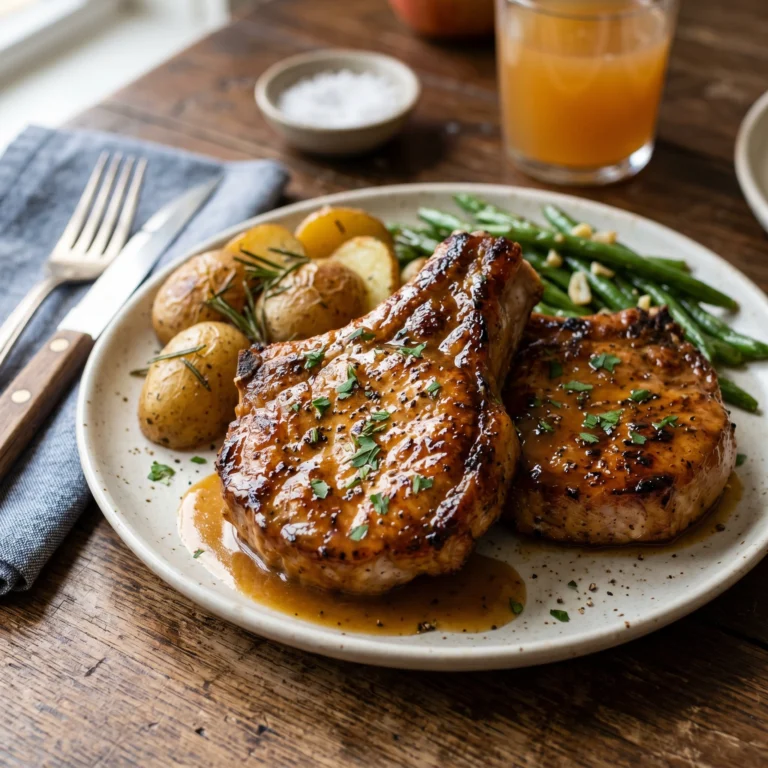
Tender Slow-Roasted Lamb Shoulder Glazed with Rosemary
Introduction
Tender Slow-Roasted Lamb Shoulder Glazed with Rosemary is the kind of recipe that makes people go quiet at the dinner table — the kind of quiet that only happens when food is so good that conversation simply stops and everyone just eats. If you’ve ever pulled a lamb shoulder out of the oven after hours of slow roasting and watched the meat practically fall off the bone at the touch of a fork, you already know that feeling. And if you haven’t experienced it yet, this recipe is about to change your life in the most delicious way possible.
Lamb shoulder is one of the most underappreciated cuts of meat in the home kitchen. While racks and legs get most of the glory, the shoulder is where the real magic lives. It’s a hardworking muscle packed with connective tissue and intramuscular fat that, when given enough time and the right temperature, transforms into something genuinely extraordinary — meat so tender it needs no knife, so juicy it glistens, and so deeply flavored that every single bite feels like a reward. Add a rosemary glaze that caramelizes into a fragrant, herby crust during the final stretch of roasting, and you have a centerpiece dish that looks and tastes like it came from a serious restaurant kitchen, even though the technique is well within reach of any motivated home cook.
This complete guide walks you through everything — the full ingredient list, step-by-step instructions, pro tips, common mistakes to avoid, storage advice, FAQ, and nutrition information. Whether you’re making this for Easter, a Sunday roast, a dinner party, or simply because you deserve something spectacular on a Tuesday night, read everything carefully. Every detail here matters and every tip earns its place.
Why Lamb Shoulder Is the Best Cut for Slow Roasting
Before getting into the recipe itself, it’s worth understanding why lamb shoulder is specifically suited to this low-and-slow treatment. Unlike the leg, which is leaner and benefits from shorter, hotter cooking, the shoulder has a higher fat content and significantly more connective tissue — primarily collagen. When collagen is exposed to prolonged heat, it breaks down into gelatin, which bastes the surrounding muscle fibers from the inside and creates that impossibly silky, pull-apart texture that slow-roasted lamb is famous for.
Cooking a lamb shoulder quickly at high heat produces tough, chewy meat because the collagen hasn’t had time to convert. Low and slow — typically between 300°F and 325°F for anywhere from 4 to 6 hours — gives the collagen all the time it needs to do its work. The result is meat that’s not just tender but luxuriously so, with a richness and depth of flavor that faster cooking methods simply cannot replicate.
Rosemary is the natural partner for lamb — it has been for centuries across Mediterranean, Middle Eastern, and European cooking traditions. The piney, slightly resinous quality of rosemary cuts through the richness of the lamb fat beautifully, and when it’s incorporated into a glaze applied during the final stage of roasting, it forms a fragrant, slightly caramelized crust that elevates the entire dish from great to unforgettable.
Ingredients
For the Lamb
- 1 bone-in lamb shoulder (approximately 4–5 lbs / 1.8–2.3 kg)
- 2 tablespoons olive oil
- 1½ teaspoons kosher salt
- 1 teaspoon freshly ground black pepper
- 1 teaspoon garlic powder
- 1 teaspoon ground cumin
- ½ teaspoon smoked paprika
- ½ teaspoon ground coriander
- 6 garlic cloves — 4 whole, 2 minced
- 4 sprigs fresh rosemary
- 2 sprigs fresh thyme
- 1 large onion, roughly chopped
- 2 medium carrots, roughly chopped
- 1 cup dry white wine (or chicken/lamb broth for alcohol-free)
- 1 cup lamb or chicken broth
- 1 tablespoon tomato paste
For the Rosemary Glaze
- 3 tablespoons olive oil
- 2 tablespoons fresh rosemary leaves, finely chopped
- 2 tablespoons honey
- 1 tablespoon whole grain mustard
- 1 tablespoon balsamic vinegar
- 2 garlic cloves, minced
- 1 teaspoon lemon zest
- ½ teaspoon salt
- ½ teaspoon freshly ground black pepper
For Garnish
- Fresh rosemary sprigs
- Lemon wedges
- Flaky sea salt
- Fresh flat-leaf parsley, roughly chopped
Equipment Needed
- Large Dutch oven or deep roasting pan with a tight-fitting lid (or heavy-duty foil for sealing)
- Meat thermometer
- Basting brush
- Small mixing bowl
- Tongs
- Carving fork and knife (or two forks for pulling)

Step-by-Step Instructions
Step 1: Score and Season the Lamb (One Day Ahead if Possible)
Start by taking the lamb shoulder out of any packaging and patting it completely dry with paper towels. Moisture on the surface will hinder browning, so be thorough. Using a sharp knife, score the fat cap in a diamond crosshatch pattern, cutting about ½ inch deep — this allows the seasoning and later the glaze to penetrate the meat more effectively and helps the fat render during cooking.

In a small bowl, mix together the kosher salt, black pepper, garlic powder, cumin, smoked paprika, and coriander. Rub the olive oil all over the lamb, then apply the spice rub generously on all surfaces, working it into the scored cuts. If you have time, wrap the lamb loosely and refrigerate overnight or for at least 4 hours. This dry marinade period deepens the flavor considerably. Remove from the fridge at least 1 hour before roasting.
Step 2: Make the Rosemary Glaze
This can be done while the lamb comes to room temperature. Combine the finely chopped fresh rosemary, honey, whole grain mustard, balsamic vinegar, minced garlic, lemon zest, olive oil, salt, and pepper in a small bowl. Stir everything together until it forms a thick, fragrant paste. Set aside. This glaze is applied during the final stage of cooking, not at the beginning — if added too early, the honey will burn during the long roasting time.
Step 3: Sear the Lamb
Preheat your oven to 325°F (165°C). Heat a large Dutch oven or oven-safe roasting pan over high heat on the stovetop. Add a drizzle of olive oil and, when the pan is smoking hot, carefully place the lamb shoulder fat-side down. Sear without moving for 4–5 minutes until deeply browned and caramelized. Flip and sear the other sides for 2–3 minutes each. This searing step builds a flavorful crust and initiates the Maillard reaction, which creates hundreds of complex flavor compounds you simply can’t get any other way. Don’t skip it.

Step 4: Build the Braising Base
Remove the lamb and set it aside temporarily. In the same pan, add the chopped onion and carrots and cook for 3–4 minutes, stirring to pick up the browned bits from the bottom. Add the tomato paste and cook for another minute. Pour in the white wine and let it bubble and reduce for 2 minutes, then add the broth. Nestle the whole garlic cloves, rosemary sprigs, and thyme into the liquid. Return the lamb shoulder to the pan, fat-side up, resting on top of the vegetables.

Step 5: Slow Roast Covered
Cover the Dutch oven with its lid, or seal the roasting pan very tightly with two layers of heavy-duty aluminum foil. The key to moist, tender lamb is keeping the steam trapped inside throughout most of the cooking time. Place in the preheated 325°F oven and roast for 3.5 to 4 hours for a 4–5 lb shoulder. The lamb is ready for the next stage when a fork inserted into the thickest part meets no resistance — it should slide in and out as easily as if going through soft butter.
Step 6: Apply the Rosemary Glaze and Finish Uncovered
Carefully remove the pan from the oven. Increase the oven temperature to 425°F (220°C). Remove the lid or foil and use a large spoon to skim excess fat from the surface of the braising liquid if desired. Using a basting brush, apply a generous, even layer of the rosemary glaze all over the exposed surface of the lamb — working it into the scored cuts and getting into every crevice.
Return the pan to the oven uncovered and roast at 425°F for 20–30 minutes, applying another layer of glaze halfway through, until the surface is deeply browned, caramelized, and fragrant. The honey in the glaze will darken beautifully — you want it to look almost lacquered, with a slightly charred edge on the scored fat cap. Watch it during this final stage to prevent burning.
Step 7: Rest Before Serving
Remove the lamb from the oven and let it rest in the pan, uncovered, for at least 20–30 minutes before serving. During slow-roasted preparations like this, resting is equally as important as in quicker cooking methods. The muscle fibers need time to relax and reabsorb the juices that have migrated toward the surface during cooking.
Step 8: Serve and Garnish
Slow-roasted lamb shoulder doesn’t need to be carved in the traditional sense — it can simply be pulled apart with two forks into generous, rustic chunks. Arrange on a large warm platter, spoon some of the pan juices over the top, scatter with fresh parsley and flaky sea salt, and garnish with fresh rosemary sprigs and lemon wedges. The braising liquid in the pan, strained and reduced slightly on the stovetop, makes an exceptional sauce to serve alongside.
Pro Tips for the Perfect Slow-Roasted Lamb Shoulder
Score the fat deeply and generously. The crosshatch scoring isn’t just aesthetic — it’s functional. It allows fat to render more efficiently, lets the seasoning penetrate deeper, and gives the glaze something to grip onto during that final high-heat blast. Go at least half an inch deep.
Season and rest the meat the night before. Even four hours makes a significant difference, but overnight is transformative. The salt draws moisture out initially and then pulls it back in along with the spice flavors, effectively seasoning the meat from the inside out.
Don’t rush the sear. Get your pan genuinely, aggressively hot before the lamb goes in. A proper sear takes 4–5 minutes per side and creates a deeply browned, slightly crusty surface that adds enormous flavor to both the meat and the braising liquid.
Seal your roasting vessel tightly. If you’re using foil instead of a lid, use two layers and press it firmly around the edges. Any steam that escapes during the covered roasting phase is moisture that should have stayed in the pan keeping the meat tender.
Don’t add the glaze until the final stage. The honey and balsamic in the glaze will burn if they’re exposed to oven heat for hours. Apply the glaze only during the last 20–30 minutes of uncovered high-heat roasting.
Use the braising liquid. Don’t discard what’s in the bottom of the pan. Strain it, skim the fat, and reduce it on the stovetop for 5–10 minutes. It becomes an incredibly rich, concentrated sauce that elevates the entire dish and connects all the flavors on the plate.
Plan the timing backwards. A 4–5 lb lamb shoulder needs roughly 4 to 4.5 hours of covered slow roasting plus 30 minutes of uncovered glazing plus 30 minutes of rest. That’s 5 to 5.5 hours from oven to table — plan accordingly so you’re not rushing at the end.
Common Mistakes to Avoid
Skipping the sear because it seems unnecessary. The sear is one of the most flavor-building steps in this entire recipe. It creates the Maillard reaction compounds that form the backbone of the dish’s savory depth. Skipping it produces lamb that tastes noticeably flatter and less complex.
Cooking at too high a temperature throughout. Slow roasting only works at low temperatures. Bumping up the heat to speed things up will tighten the muscle fibers before the collagen has had time to break down, resulting in tough, chewy meat. Patience is the defining ingredient in this recipe.
Not sealing the pan properly during covered roasting. A poorly sealed roasting pan allows steam to escape, which dries out the lamb and concentrates the braising liquid too quickly. Take an extra minute to ensure the foil or lid creates a genuine seal.
Applying the glaze too early. Honey burns at relatively low temperatures over extended cooking times. If the glaze goes on at the beginning of the roast rather than the end, it will scorch and turn bitter rather than caramelizing beautifully.
Using dried rosemary instead of fresh for the glaze. Dried rosemary has a more aggressive, slightly woody flavor that doesn’t mellow in a quick glaze application the way fresh does. Fresh rosemary is significantly more aromatic and produces a noticeably superior result in the glaze. Use dried only as a last resort.
Cutting into the lamb without resting it. After hours of slow roasting, the juices inside the meat are highly mobile and will pour out onto the cutting board if you cut immediately. Those are the juices that should be in every bite. Rest the lamb for a minimum of 20 minutes.
Not tasting and adjusting the braising liquid before serving as sauce. The pan liquid is incredible but can sometimes be salty or overly acidic depending on your wine and broth. Always taste and adjust before reducing and serving.

Storage and Serving Suggestions
How to Store Leftovers
Leftover lamb shoulder stores beautifully. Pull or slice the meat and store it in an airtight container with a generous spoonful of the pan juices to keep it moist. It keeps in the refrigerator for up to 4 days. The flavor actually deepens overnight as the meat continues to absorb the braising juices — many people find next-day lamb shoulder even better than the day it was made.
For longer storage, freeze pulled lamb in portions with some of the braising liquid in freezer-safe bags or containers for up to 3 months. Thaw overnight in the refrigerator before reheating.
How to Reheat Without Drying Out
Place the lamb in a baking dish with a few tablespoons of broth or braising liquid, cover tightly with foil, and warm at 325°F for 20–25 minutes. The covered environment gently reheats the meat without drying it out. Finish with a quick brush of fresh rosemary glaze and 5 minutes uncovered under the broiler to revive the caramelized exterior.
Serving Suggestions
Tender Slow-Roasted Lamb Shoulder Glazed with Rosemary pairs beautifully with a wide range of accompaniments. For a classic Sunday roast, serve alongside creamy mashed potatoes, roasted root vegetables, and a sharp mint sauce or red currant jelly. For a more Mediterranean presentation, pair with couscous or herbed rice, grilled flatbreads, a cucumber and yogurt sauce, and a bright tomato and herb salad.
For Easter, this lamb shoulder fits perfectly alongside roasted asparagus, spring peas with butter and mint, and crusty bread to mop up the pan juices. Leftover pulled lamb makes extraordinary sandwiches on crusty sourdough with arugula, pickled red onions, and a smear of whole-grain mustard. It can also be folded into pasta, stuffed into flatbreads, or tossed through a warm grain salad.
Frequently Asked Questions (FAQ)
Q1: How long does it take to slow roast a lamb shoulder? For a bone-in lamb shoulder between 4 and 5 lbs, plan on approximately 3.5 to 4 hours of covered slow roasting at 325°F, followed by 20–30 minutes of uncovered high-heat glazing at 425°F, plus 20–30 minutes of resting time. Total time from oven to table is roughly 4.5 to 5.5 hours. Larger shoulders (6–7 lbs) may need up to 5–6 hours of covered roasting. The meat is done when a fork slides into the thickest part with no resistance.
Q2: Can I make this recipe in a slow cooker? Yes, with some modifications. Sear the lamb first on the stovetop as directed, build the braising base in the slow cooker insert, add the lamb, and cook on low for 8–9 hours or high for 5–6 hours. For the rosemary glaze finish, transfer the lamb to a foil-lined baking sheet, apply the glaze, and broil for 8–10 minutes until caramelized. The slow cooker method is more hands-off but won’t develop quite the same depth of roasted flavor as the oven method.
Q3: Can I use boneless lamb shoulder instead of bone-in? Absolutely. Boneless lamb shoulder works well in this recipe and is actually easier to serve since pulling it apart requires no maneuvering around the bone. It will cook slightly faster — reduce the covered roasting time by about 30–45 minutes and start checking for tenderness earlier. The bone-in version does contribute additional flavor and gelatin to the braising liquid, so if you can find bone-in, it’s worth it.
Q4: What can I substitute for the white wine in the braising liquid? If you prefer to cook without alcohol, substitute the white wine with an equal amount of additional lamb or chicken broth plus a tablespoon of white wine vinegar or apple cider vinegar. The vinegar provides the acidity and brightness that the wine would have contributed. Pomegranate juice or unsweetened apple juice are also excellent alternatives that add their own dimension of flavor.
Q5: My lamb shoulder is larger than 5 lbs. How do I adjust the cooking time? Add approximately 30–40 minutes of covered roasting time per additional pound. A 6 lb shoulder will need roughly 4.5 to 5 hours covered, and a 7 lb shoulder may need 5.5 to 6 hours. The only reliable way to know it’s ready for the glazing stage is to test with a fork — it should meet absolutely no resistance. Don’t rely solely on time estimates for larger cuts.
Q6: Can I prepare this recipe the day before? Yes — and it’s actually an excellent make-ahead dish. Complete the entire recipe through the glazing stage, let the lamb cool, and refrigerate it in the braising liquid overnight. The next day, skim the solidified fat from the surface of the liquid, then reheat the lamb covered at 325°F for 30–40 minutes until warmed through. Apply fresh glaze and finish under the broiler for 5–8 minutes. The flavor will be even deeper and more developed than on day one.
Q7: Is lamb shoulder suitable for people with dietary restrictions? This recipe is naturally gluten-free when prepared as written. It is halal-friendly when using halal-certified lamb. It is not suitable for vegetarians, vegans, or those following a Hindu diet. For lower-sodium preparations, reduce or omit added salt and use low-sodium broth. For dairy-free needs, the recipe contains no dairy as written.
Nutrition Information (Approximate Values per Serving)
Based on approximately 6 oz of cooked bone-in lamb shoulder with glaze and pan juices. Values are estimates and will vary based on exact portion size, fat trimming, and preparation.
| Nutrient | Amount per Serving |
|---|---|
| Calories | 380–430 kcal |
| Total Fat | 22–26g |
| Saturated Fat | 8–10g |
| Cholesterol | 110–130mg |
| Sodium | 480–540mg |
| Total Carbohydrates | 8–12g |
| Dietary Fiber | 0–1g |
| Sugars | 6–8g (from honey and balsamic) |
| Protein | 36–42g |
| Iron | 18% DV |
| Calcium | 3% DV |
| Potassium | 480mg |
| Zinc | 35% DV |
To reduce fat content, trim visible fat before serving and skim the braising liquid thoroughly before reducing into sauce.
Tender Slow-Roasted Lamb Shoulder Glazed with Rosemary is the kind of recipe that reminds you why cooking from scratch is always worth the effort. It asks for your patience — and in return it gives you something that no shortcut, no convenience product, and no restaurant can fully replicate: a meal that fills your entire home with an aroma so good that everyone gravitates toward the kitchen, and a dish so tender and deeply flavored that it creates the kind of shared table moment people actually remember.
The beauty of this recipe is in its honesty. There are no complicated techniques, no hard-to-find ingredients, and no culinary school training required. What it asks for is time, attention, and a willingness to trust the process. Score the meat. Season it generously. Sear it properly. Keep the steam trapped during those long slow hours in the oven. Apply the glaze at exactly the right moment. Rest it before you serve it. Follow those principles and the lamb will do everything else on its own.
The rosemary glaze is what transforms a great slow-roasted lamb into something truly spectacular. That combination of fresh rosemary, honey, mustard, balsamic, and lemon zest caramelizes during the final high-heat blast into a fragrant, slightly sticky, deeply savory crust that contrasts perfectly with the silky pull-apart meat beneath. It’s a contrast of textures and flavors that makes every single bite interesting from the first to the last.
Whether you make this for Easter Sunday with the whole family gathered around the table, for a dinner party where you want to genuinely impress, or for a quiet weekend when you simply want to fill your home with something warm and extraordinary, this recipe delivers without fail. It scales beautifully for larger groups, reheats magnificently the next day, and leaves you with a braising liquid so good you’ll find yourself spooning it straight from the pan.
Make it once, and slow-roasted lamb shoulder will earn a permanent place in your cooking repertoire. It’s the kind of dish that becomes a tradition — the recipe people ask for every year, the meal that marks the occasions that matter most.
Give it the time it deserves. It will give you everything in return.
Tender Slow-Roasted Lamb Shoulder Glazed with Rosemary
Ingredients
Equipment
Method
- Pat the lamb shoulder completely dry with paper towels. Using a sharp knife, score the fat cap in a deep diamond crosshatch pattern approximately ½ inch deep. Mix together kosher salt, black pepper, garlic powder, cumin, smoked paprika, and coriander. Rub olive oil all over the lamb, then apply the spice mixture generously on all surfaces, pressing it into the scored cuts. Wrap loosely and refrigerate for at least 4 hours or overnight. Remove from fridge at least 1 hour before roasting.
- Combine finely chopped fresh rosemary, honey, whole grain mustard, balsamic vinegar, minced garlic, lemon zest, olive oil, salt, and pepper in a small bowl. Stir until it forms a thick, fragrant paste. Set aside — this glaze is applied only during the final stage of cooking.
- Preheat oven to 325°F (165°C). Heat a large Dutch oven over high heat on the stovetop. Add a drizzle of olive oil and, when smoking hot, place the lamb shoulder fat-side down. Sear without moving for 4–5 minutes until deeply browned. Flip and sear all remaining sides for 2–3 minutes each. Remove and set aside.
- In the same pan, add chopped onion and carrots and cook for 3–4 minutes, scraping up the browned bits. Add tomato paste and cook for 1 minute. Pour in white wine and let bubble and reduce for 2 minutes, then add the broth. Nestle in whole garlic cloves, rosemary sprigs, and thyme. Return the lamb shoulder fat-side up on top of the vegetables.
- Cover the Dutch oven tightly with its lid or seal the roasting pan with two layers of heavy-duty aluminum foil, pressing firmly around the edges to trap all steam. Place in the preheated 325°F oven and roast for 3.5 to 4 hours until a fork inserted into the thickest part meets absolutely no resistance and slides through as easily as soft butter.
- Remove pan from oven. Increase oven temperature to 425°F (220°C). Remove lid or foil and skim excess fat from the braising liquid surface. Using a basting brush, apply a generous layer of rosemary glaze all over the lamb, working it into the scored cuts and every crevice. Return to the oven uncovered for 20–30 minutes, applying another layer of glaze halfway through, until the surface is deeply browned, caramelized, and lacquered.
- Remove from oven and let the lamb rest uncovered in the pan for at least 20–30 minutes before serving. Meanwhile, strain the braising liquid into a small saucepan and reduce over medium heat for 5–10 minutes until it forms a rich, glossy sauce. Taste and adjust seasoning.
- Pull the lamb apart into generous rustic chunks using two forks — no carving needed. Arrange on a large warm platter, spoon the reduced pan sauce generously over the top, scatter with fresh flat-leaf parsley and flaky sea salt, and garnish with fresh rosemary sprigs and lemon wedges. Serve immediately.